
Senra
Senra
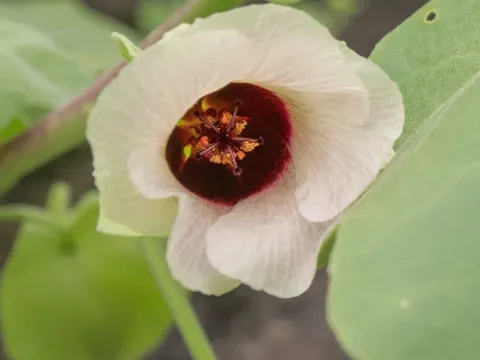
Senra (Senra incana) is a perennial subshrub that belongs to the Malvaceae family. It is a highly specialized plant designed to thrive in arid and semi-arid environments.
What the section contains

Senra
The native distribution of Senra includes various dry regions of Africa and the Arabian Peninsula. It predominantly grows in sandy or rocky soils, showing excellent adaptation to low nutrient conditions.
The plant exhibits remarkable tolerance to heat, salinity, and water scarcity. Full sunlight is essential for the healthy growth and physiological development of the plant.
Botanically, Senra is characterized by its pubescent (hairy) leaves. This layer of trichomes is an evolutionary trait that minimizes water loss through transpiration and protects against solar radiation.
In terms of usage, Senra has been historically exploited for its natural fiber production. Furthermore, certain compounds found within the plant have shown potential for medical applications.
The primary threat to Senra is root rot caused by poor soil drainage and excessive moisture. This makes proper site selection critical for any cultivation attempts.
Insects such as mites and aphids can become problematic during hot, dry seasons. These pests feed on the leaves, impacting the photosynthetic capacity of the plant.
Weed competition is a significant concern during the seedling stage. Fast-growing annual weeds can quickly outcompete Senra for vital water and nutrients in the topsoil.
Overgrazing by wild or domestic livestock is a major pressure on natural populations. Protection of cultivation sites via fencing is highly recommended to ensure survival.
Standard agronomical disease management involves maintaining proper irrigation intervals and preventing water accumulation in the root zone to suppress fungal pathogens.