
Pterocymbium tinctorium
Pterocymbium tinctorium
Description
Growing requirements
Pterocymbium tinctorium is a large, deciduous tree species belonging to the family Malvaceae, specifically within the Sterculioideae subfamily. Known for its impressive stature, it often develops distinct buttress roots, which serve as structural support in the soft soil of tropical rainforests.
The species is native to Southeast Asia, with a geographical range stretching across countries like India, Thailand, and Indonesia. It thrives in tropical and monsoon climates, which are characterized by distinct wet and dry seasons that influence the plant's phenological cycle.
Growth requirements include a warm, humid environment and fertile, well-draining soil. While the tree can tolerate a variety of lowland conditions, it shows preference for alluvial plains where moisture availability remains consistent during the growing season.
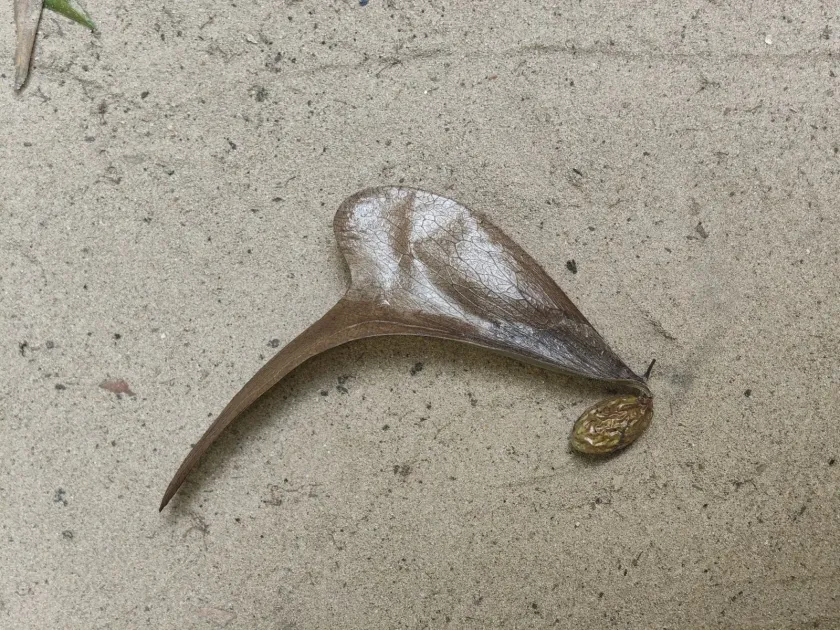
Biological mechanisms are highly adapted to the ecosystem; for instance, the tree sheds its leaves during dry spells to reduce transpiration. The seeds are winged, facilitating wind dispersal over significant distances, which is crucial for its regeneration in forest clearings.
The tree is economically significant for its timber, which is highly valued for manufacturing plywood, light packaging, and decorative wood crafts. Traditionally, the bark of this species has been used by indigenous populations for dyeing textiles and in various medicinal applications.
Main diseases and pests
The primary threats to Pterocymbium tinctorium involve fungal infections that can manifest in nursery settings or areas with poor soil drainage. Maintaining optimal plant spacing and ensuring good airflow are essential management practices to mitigate the risk of pathogen spread.
Pests, particularly wood-boring beetles, can compromise the structural integrity of the trunks. Integrated pest management strategies, combined with regular forest floor maintenance, are required to protect timber quality and ensure the long-term viability of the plantation crop.