
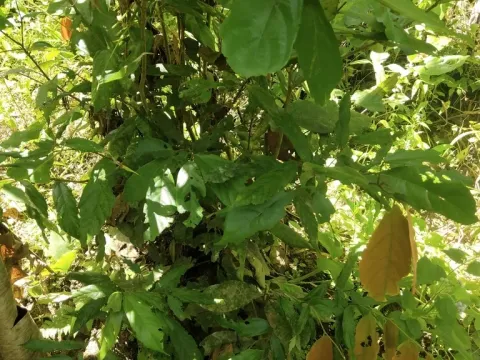
Diplodiscus
Diplodiscus
Diplodiscus is a genus of trees belonging to the Malvaceae family. Native to the tropical regions of Southeast Asia, particularly the Philippines, it thrives in dense forest environments where biodiversity is high and climatic conditions remain stable throughout the year.
What the section contains

Diplodiscus
The crop requires a strictly tropical climate with consistent temperatures and high relative humidity. It is intolerant to frost and cold winds, which makes its successful cultivation limited to specific geographic zones that mirror its natural habitat.
Regarding soil requirements, Diplodiscus prefers deep, nutrient-rich, and well-drained soils. Adequate drainage is critical, as the roots are highly susceptible to oxygen deprivation if the soil becomes waterlogged for extended periods after heavy tropical rainfall.
The plant demonstrates a need for balanced sunlight exposure. While mature specimens can tolerate full sunlight, young saplings require partial shade to protect their foliage from intensive solar radiation during the early stages of development.
Proper agronomic management involves mulching to maintain soil moisture and suppressing competitive weed growth. Regular monitoring for nutrient deficiencies is also recommended, especially during the peak flowering and fruit-setting phases of the annual cycle.
The primary agricultural interest in Diplodiscus lies in its seeds, which are traditionally used as a dietary starch source. The fruits must be harvested at the correct maturity stage to ensure optimal seed development and nutritional quality for processing.
Harvesting is typically done manually by local farmers. Due to the tree's height, specialized equipment or careful climbing techniques are often required to collect the pods without damaging the branches or the fruit itself.
Post-harvest processing is essential for safety. The seeds contain naturally occurring compounds that necessitate soaking and thorough boiling, a traditional method that successfully renders the seeds edible and palatable for local populations.
Beyond food security, the wood of the Diplodiscus tree is utilized for small-scale construction and tool making. Its mechanical properties make it a sustainable choice for local woodworking needs in the regions where it is cultivated.
Ongoing research focuses on optimizing the cultivation techniques to increase yields and improve the economic viability of the crop. Future efforts aim to standardize the processing stages to enhance the quality of the seed flour derived from this plant.