
Luehea speciosa
Luehea speciosa
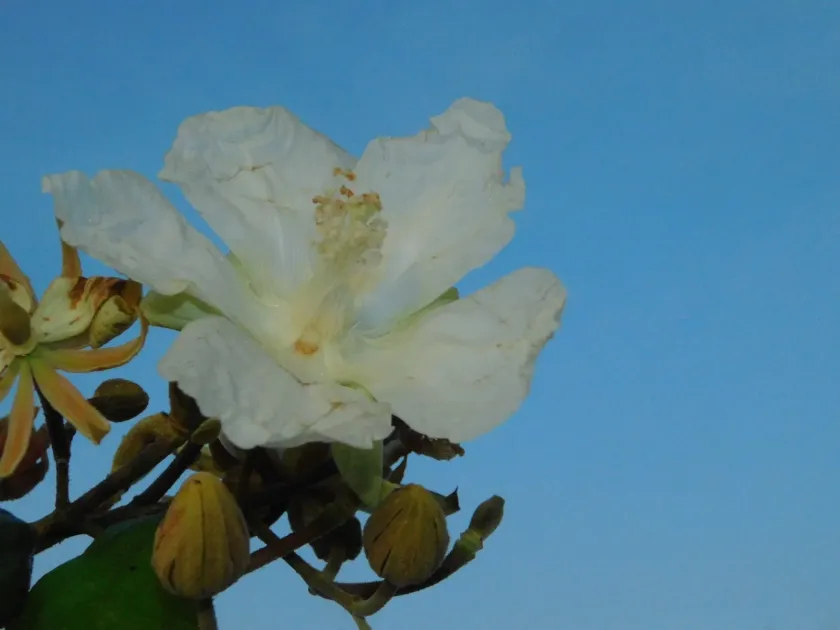
Description
Growing requirements
Luehea speciosa, a member of the Malvaceae family, is a notable tropical tree species recognized for its rapid growth rate and ecological significance. It forms a robust canopy, making it a valuable component in forest restoration projects.
Native to South America, particularly regions within Brazil and Argentina, this species thrives in tropical climates. It is adapted to environments characterized by seasonal fluctuations in rainfall, reflecting its evolutionary strategy in diverse habitats.
Successful cultivation requires well-drained, nutrient-rich soils. While it can adapt to various soil types, avoid waterlogged conditions which are detrimental to root health. The plant exhibits a strong preference for full sun, which is vital for maintaining its structural integrity.
Agronomic practices include proper seedling spacing to maximize photosynthetic efficiency. Since the tree is fast-growing, periodic pruning is often necessary to manage the canopy density and promote healthy, straight timber production in commercial settings.
Economically, Luehea speciosa is appreciated for its versatile wood. It is commonly utilized in the manufacturing of furniture, interior carpentry, and wooden tools, serving as a sustainable source of biomass in regional markets.
Main diseases and pests
Boring insects represent the primary pest threat to Luehea speciosa. These organisms penetrate the bark and inner layers, which can compromise the tree's vascular system if left unmanaged.
Fungal pathogens associated with high humidity, such as root rot and leaf spots, frequently occur in neglected plantations. Proper site selection and maintaining optimal drainage are essential preventative measures against these issues.
Leaf-cutting ants can significantly impact young nurseries by stripping foliage. Implementing effective barriers or using bio-rational pesticides is often required to ensure the survival of saplings during the initial growth phase.
Anthracnose can develop during extended rainy periods, causing necrotic lesions on the leaves. Systematic monitoring and the removal of heavily infected branches are recommended to prevent disease spread within the plantation.
Maintaining high hygiene standards for horticultural tools is crucial to prevent the mechanical transmission of pathogens. Routine inspections facilitate the early detection of stress, allowing for timely agronomic intervention.