
Luehea tarapotina
Luehea tarapotina
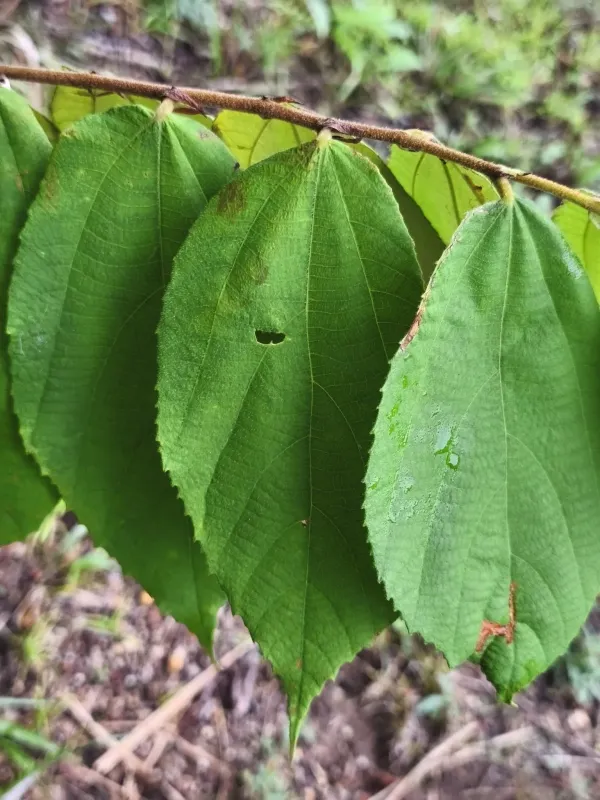
Description
Growing requirements
Luehea tarapotina is a botanical species belonging to the Malvaceae family, specifically the Grewioideae subfamily. It is native to the tropical regions of South America, thriving in the warm and humid conditions of the Amazon basin.
The climate requirements for this species include high average temperatures throughout the year. It is accustomed to environments with distinct wet and dry seasons, which is a common characteristic of the tropical forest habitats where it originates.
Regarding soil conditions, the plant prefers well-drained soils rich in organic matter. Avoid planting in areas prone to waterlogging, as the root system of this tree requires consistent aeration to prevent fungal issues and root rot.
Agronomic management involves selecting sites with full sun exposure, as Luehea tarapotina is a heliophilic species. Adequate space between individual trees is necessary to minimize competition for nutrients and sunlight during the intensive growth phase.
The primary economic value of this crop is its timber. The wood is utilized in carpentry and construction due to its favorable density and durability, making it a valuable resource for local and regional wood-based industries.
Harvesting
Harvesting timber from Luehea tarapotina requires a long-term management strategy, often spanning several years to ensure the trees reach optimal maturity. Selective logging is the preferred method to maintain sustainable forest stands.
Post-harvest processing of the timber is vital for quality control. It involves debarking and sawing the wood, followed by a meticulous drying process to achieve the target moisture content, which prevents warping and cracking.
Seed collection is another aspect of agricultural maintenance for this crop. Collectors must identify the stage of physiological maturity of the seed capsules to ensure maximum viability for future propagation efforts.
Management of the harvest cycle includes evaluating the health of the trees before felling. Ensuring that the stand remains healthy and productive contributes to the overall efficiency and profitability of the forestry project.
Integrating modern technology in the processing stage, such as optimized cutting techniques, helps in reducing wood wastage. This approach ensures that the maximum value is extracted from every harvested tree while adhering to environmental sustainability standards.