
Kleinhovia hospita
Kleinhovia hospita
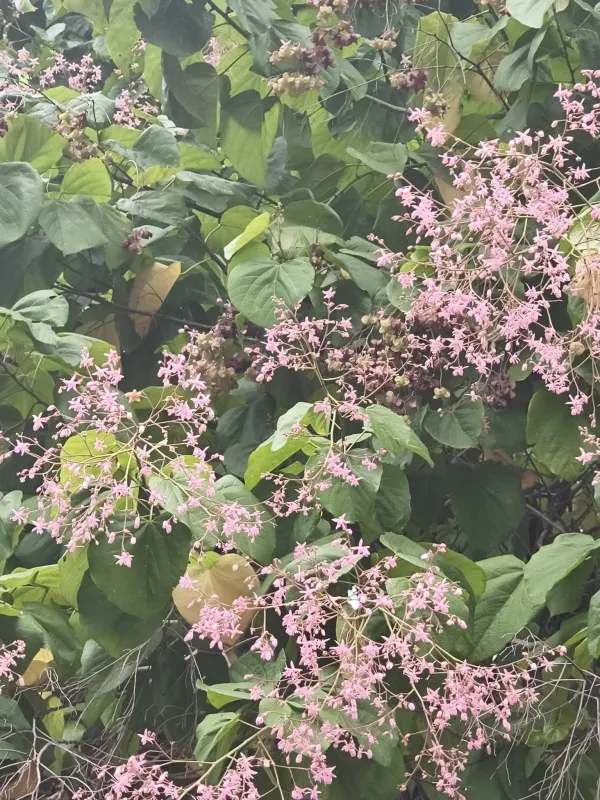
Description
Sowing dates
Kleinhovia hospita, commonly known as the guest tree, belongs to the Malvaceae family. In agricultural practices, it is typically propagated through seeds, which require specific handling to ensure high germination rates.
Seeds should be sown in a well-draining, nutrient-rich substrate immediately after harvesting, as their viability decreases rapidly over time. The onset of the rainy season is the ideal window for sowing in nurseries.
Pre-soaking seeds in warm water for 24 hours is recommended to soften the hard seed coat. This preparation helps to trigger the germination process and promotes uniform growth across the nursery beds.
Seedlings are ready for transplanting once they reach a height of 30–50 cm. Proper spacing is crucial to ensure that young trees have enough room to establish a strong root system without competing for resources.
Adequate light exposure is vital for healthy early-stage development, as these trees thrive in sunny environments. Shaded areas should be avoided during the initial establishment phase.
Growing requirements
The guest tree is highly dependent on tropical climatic conditions, thriving in regions with high annual rainfall, exceeding 1500 mm. It is extremely sensitive to frost, which strictly limits its cultivation to tropical and subtropical zones.
It prefers deep, loose, and fertile soil with a neutral to slightly acidic pH. While it appreciates high moisture, it requires excellent drainage to prevent root rot in waterlogged conditions.
The tree demonstrates good adaptability to various soil types, including sandy and alluvial soils, provided that organic matter is added to boost soil fertility during the planting phase.
Strategic spacing of 4–6 meters between trees is essential in forestry applications to facilitate crown development and ensure proper ventilation within the plantation.
Temperatures ranging from +22 to +30 degrees Celsius are optimal for robust growth. Protecting the plantation from strong, dehydrating winds is also a critical maintenance practice.
Yield
Kleinhovia hospita is widely valued for its contribution to honey production, as it serves as an excellent source of nectar for bees. This makes it a significant asset for apiary-based agricultural systems.
The wood of this tree is of medium density and is utilized in small-scale carpentry to produce light furniture, tools, and handicrafts. It is appreciated for its ease of processing and finishing.
Various parts of the tree, including the leaves and bark, possess properties utilized in traditional medicine, adding value to the plantation beyond timber or honey production.
Economic viability is enhanced when the tree is integrated into agroforestry systems, providing ecological benefits such as soil protection while yielding harvestable products.
Overall output depends on tree health, plantation density, and consistent maintenance of the canopy, ensuring the trees remain vigorous throughout their lifecycle.
Main diseases and pests
While generally robust, Kleinhovia hospita can be susceptible to fungal infections like powdery mildew or leaf spot, particularly in environments with stagnant, overly humid air.
Leaf-eating insects and caterpillars are the most common pests, which can significantly damage the foliage and reduce the tree's photosynthetic capacity if left unmanaged.
Sanitation practices, such as the prompt removal of infected branches and fallen leaves, are essential to maintain low pathogen pressure within the cultivation area.
In cases of severe pest infestation, biological control measures are preferred over synthetic pesticides to preserve the ecological balance of the plantation.
Young trees are also vulnerable to browsing by rodents and livestock, necessitating protective measures such as fencing or tree guards during the first few years of growth.
Harvesting
Harvesting products from Kleinhovia hospita is a phased process. Honey collection is dictated by the flowering cycle, which can be prolonged in favorable tropical climates.
Timber harvesting typically occurs when trees reach maturity, usually between 15 and 25 years, depending on the site conditions and the specific intended use of the wood.
Selective harvesting is recommended to ensure the sustainability of the plantation. By removing only mature or unhealthy trees, the grower maintains the long-term productivity of the stand.
Medicinal raw materials such as leaves or bark must be collected with care, ensuring that the tree's vital functions and growth are not compromised by over-harvesting.
Proper storage and drying of the harvested wood in ventilated, shaded areas are crucial to ensure quality and prevent the material from warping or decaying before it reaches the market.