
Japanese lime
Tilia japonica
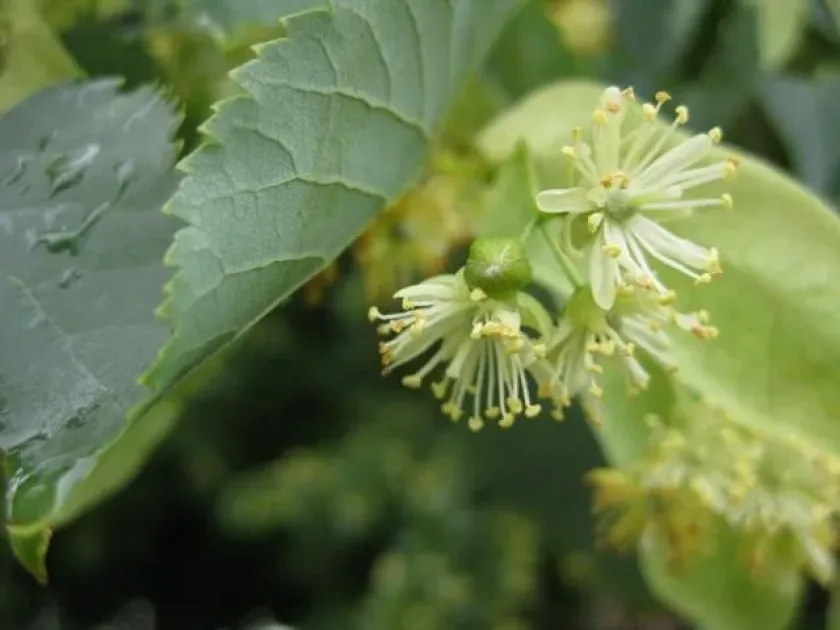
Description
Sowing dates
Propagation of Tilia japonica is primarily performed through seeds, which require a cold stratification process to break dormancy. Sowing usually occurs in late autumn, allowing the seeds to experience winter conditions naturally.
For spring sowing, seeds must be kept in moist sand at low temperatures for several months. Proper preparation significantly increases germination rates once the soil warms up.
In nursery settings, seeds are planted in well-drained, fertile soil at a depth of 2–3 cm. Maintaining consistent soil moisture during the germination phase is critical for successful seedling establishment.
Once seedlings emerge, they require protection from direct, intense sunlight in the first few months. Regular weeding and careful maintenance ensure the rapid growth of healthy saplings.
Transplanting to the final location is recommended after 2–3 years of nursery development when the root system is sufficiently strong to withstand environmental stress.
Growing requirements
Tilia japonica, a member of the Malvaceae family, is a deciduous tree native to East Asia. It thrives in temperate climates, showing a preference for deep, nutrient-rich, and well-drained loamy soils.
This species is moderately moisture-demanding and performs best in regions with sufficient rainfall throughout the growing season. It requires protection from extremely dry or waterlogged conditions.
While the tree is relatively shade-tolerant during its juvenile stage, it requires full sunlight to achieve optimal crown density and abundant flowering in maturity.
It prefers slightly acidic to neutral soil conditions. Incorporating organic matter during the planting process helps maintain the necessary soil structure and fertility for long-term health.
Due to its high tolerance for atmospheric pollution, it is a favored species for urban landscaping, parks, and city avenues in its native range.
Yield
The primary economic value of Japanese lime lies in its role as a premier honey-producing plant. Its nectar is highly sought after by beekeepers for its quality and flavor profile.
The timber of Tilia japonica is soft, light, and uniform, making it an excellent material for carving, musical instruments, and high-quality plywood production.
In forestry, it acts as an important ecological component, stabilizing soil, preventing erosion, and supporting biodiversity in woodland ecosystems.
Ornamental use is widespread due to its attractive, heart-shaped leaves and fragrant flowers that bloom in early to mid-summer, enhancing the aesthetics of any landscape.
- Excellent honey source
- Carving and craft timber
- Urban landscaping
- Soil erosion control
- High ecological value
Main diseases and pests
Aphids and spider mites are common pests that can impact the aesthetic quality of the foliage. Regular monitoring and, if necessary, targeted insecticide applications can manage these populations.
Fungal leaf spot diseases may appear during periods of high humidity. Proper tree spacing and pruning to improve air circulation within the canopy are effective preventive measures.
Root-feeding larvae, such as white grubs, can jeopardize the survival of young trees. Soil treatment before planting is a standard practice to mitigate this risk.
Winter injury can occur in regions with severe frosts, particularly for young trees. Wrapping trunks or selecting sheltered planting sites can protect the plant during its formative years.
Nutrient deficiencies often manifest as leaf chlorosis, which can be corrected by providing balanced fertilization containing iron and magnesium to support overall vigor.