
Kosteletzkya depressa
Kosteletzkya depressa
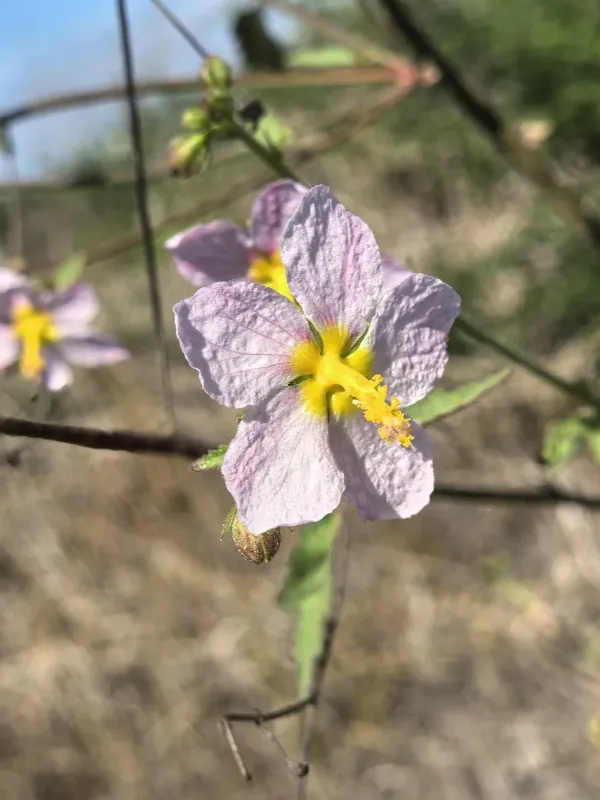
Description
Sowing dates
Kosteletzkya depressa is a specialized crop that requires a well-prepared seedbed for successful establishment. Sowing should commence when soil temperatures consistently exceed 15 degrees Celsius to ensure rapid and uniform germination of the seeds.
Optimal planting depth is generally between 2 and 3 centimeters, allowing for adequate moisture access while facilitating quick emergence. Maintaining proper spacing between rows is essential for maximizing light interception and nutrient availability for each individual plant.
Early spring is the standard planting window, provided there is no further risk of frost. The crop benefits from a balanced fertilization program at the time of sowing, which supports vigorous root development and early leaf production.
Post-sowing management includes light harrowing to break soil crusts, which helps young seedlings emerge efficiently. In controlled field environments, maintaining a steady planting density is crucial to prevent resource competition and ensure uniform stand development.
Regular scouting of the field during the emergence phase is highly recommended to assess seedling health and manage any localized issues before they expand to the entire crop area.
Growing requirements
This species is highly adapted to sunny, open environments and performs best when provided with full sunlight exposure throughout the day. Sufficient light is critical for the biomass accumulation that determines the ultimate economic yield of the crop.
Regarding soil preference, Kosteletzkya depressa thrives in well-drained loamy soils with a neutral pH. While it shows some tolerance to saline conditions, high soil fertility is necessary to support its substantial vegetative growth during the peak growing season.
Water requirements are moderate, but regular irrigation is beneficial in regions with irregular rainfall patterns. The plant is sensitive to prolonged waterlogging, which can lead to root degradation and secondary fungal issues in poorly drained soils.
The climate should be warm, as the plant is susceptible to cold stress. It exhibits its highest productivity in subtropical regions where long growing seasons allow for maximum biomass development before the arrival of cooler temperatures.
Nutrient management should focus on sufficient nitrogen input to fuel leaf and fiber growth, alongside phosphorus and potassium for structural integrity. Soil analysis is recommended to tailor the fertilization program to the specific site conditions.
Main diseases and pests
The primary threats to this crop include sucking insects such as aphids, which can vector diseases and deplete the plant of essential sugars. Integrated pest management strategies are recommended to keep populations below the economic injury level.
Fungal pathogens causing leaf spots and blight are common when the canopy becomes too dense, reducing airflow and increasing localized humidity. Proper row spacing is a key preventative measure to improve ventilation and minimize fungal outbreaks.
Soil-borne nematodes can pose a risk, particularly in fields where susceptible host plants have been grown previously. Crop rotation remains the most effective strategy to break the lifecycle of these and other soil-dwelling pests.
Mechanical damage from severe storms or heavy rainfall can cause lodging, especially in late-season plants. Ensuring strong stem development through optimal mineral balance helps the crop withstand such environmental stressors.
- Regular monitoring for signs of stress or infestation.
- Implementation of a rigorous crop rotation cycle.
- Use of certified, disease-free seed stock.