
Heliocarpus americanus
Heliocarpus americanus
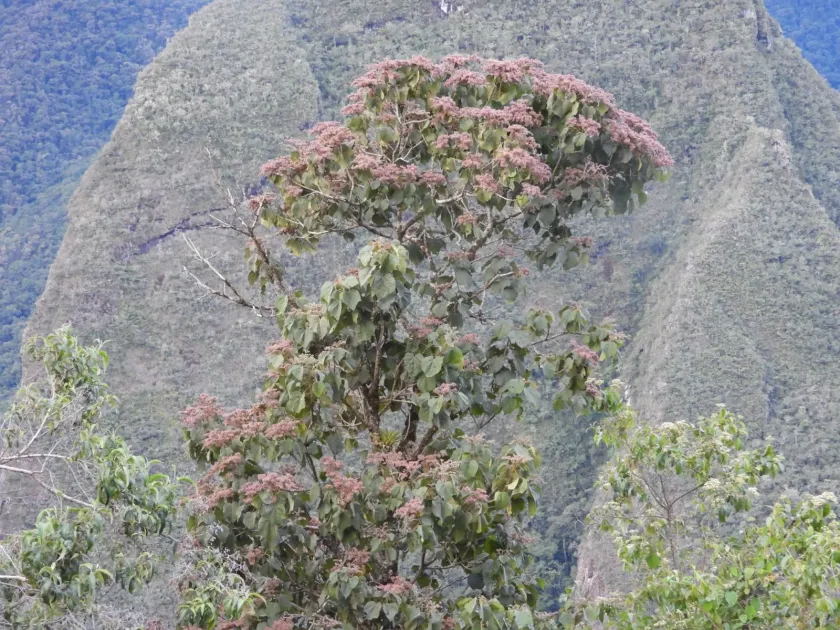
Description
Sowing dates
Heliocarpus americanus is a fast-growing tropical tree species within the Malvaceae family. Planting typically occurs at the beginning of the rainy season to capitalize on moisture levels for germination.
The use of nursery-grown seedlings in containers is the preferred method for establishing plantations. This approach ensures higher survival rates and more uniform growth compared to direct seeding.
Optimal planting density ranges between 2,500 and 5,000 trees per hectare. High-density planting promotes apical dominance, resulting in straight, branch-free trunks suitable for industrial use.
Site preparation involves deep plowing and clearing competing vegetation. Eliminating weeds in the first year is critical to prevent nutrient competition during the tree's establishment phase.
Seeds have a hard coat and often require scarification or warm water soaking to break dormancy. Proper pre-treatment significantly improves germination uniformity in the nursery.
Growing requirements
The species requires a tropical climate without frost, thriving in temperature ranges between 22°C and 30°C. It is highly sensitive to cold weather which can inhibit its rapid development.
Well-drained soils, including loamy or sandy textures, are essential. The roots of Heliocarpus americanus are sensitive to waterlogging, necessitating sites with good drainage systems.
This tree is photophilous, requiring full sunlight for optimal photosynthetic activity. Shade leads to morphological changes such as trunk curvature, which reduces the commercial value of the wood.
Annual precipitation of 1200 mm or more is ideal for the species. While it can withstand short periods of moderate drought once established, its growth slows significantly under water stress.
Soil pH should ideally be within the slightly acidic to neutral range, specifically 6.0 to 7.5. Liming may be necessary on highly acidic soils to improve nutrient uptake and growth rates.
Yield
Heliocarpus americanus is valued for its exceptional growth rate, allowing for short rotation forestry. The biomass produced is highly sought after for paper, pulp, and fiber production.
The bast fibers extracted from the bark are known for their high tensile strength and flexibility. These fibers serve as raw materials for traditional cordage, ropes, and various woven textile applications.
Under intensive management, a rotation cycle of 5 to 7 years is achievable. This short cycle makes it a highly profitable crop for farmers operating in tropical regions.
The tree contributes to soil health by providing significant leaf litter, which helps in the restoration of degraded tropical lands. It acts as an effective pioneer species in reforestation projects.
Wood properties, including low density and ease of processing, make it suitable for lightweight construction, packaging materials, and plywood manufacturing.
Main diseases and pests
Root rot pathogens are a primary threat, particularly when soil drainage is poor. Ensuring that plantation plots do not hold standing water is the most effective preventative measure.
Leaf-eating insects can cause substantial damage to young saplings, slowing down overall development. Integrated pest management, focusing on biological controls, is recommended in large plantations.
Mechanical injuries to the bark can create entry points for fungal infections. Careful handling during maintenance and pruning is necessary to preserve tree vigor and health.
Weed infestation is a major competitor for resources in the first two years of the plantation. Regular mechanical weeding or effective mulching strategies are essential for success.
While viral infections are infrequent, they can be transmitted by sap-sucking insects. Using certified disease-free planting material is the foundation of a healthy and productive crop.
Harvesting
Harvesting is performed by clear-cutting the plantation once the trees reach the target diameter. This method is the most efficient for industrial-scale biomass collection.
Logging should be scheduled during the dry season to facilitate easier machinery movement and log extraction. Proper planning reduces soil compaction and damage to the site.
Bark extraction for fiber production should take place immediately after felling to prevent the material from drying out and losing its tensile properties. Quick processing ensures high-quality output.
The wood must be sorted based on industrial standards for pulp or construction. Storing logs away from direct contact with the ground prevents moisture-related fungal growth.
Efficient logistics from the harvest site to the processing mill are critical for maintaining profitability. Minimizing the time between cutting and conversion is essential for maximizing yield quality.