
Heliocarpus donnellsmithii
Heliocarpus donnellsmithii
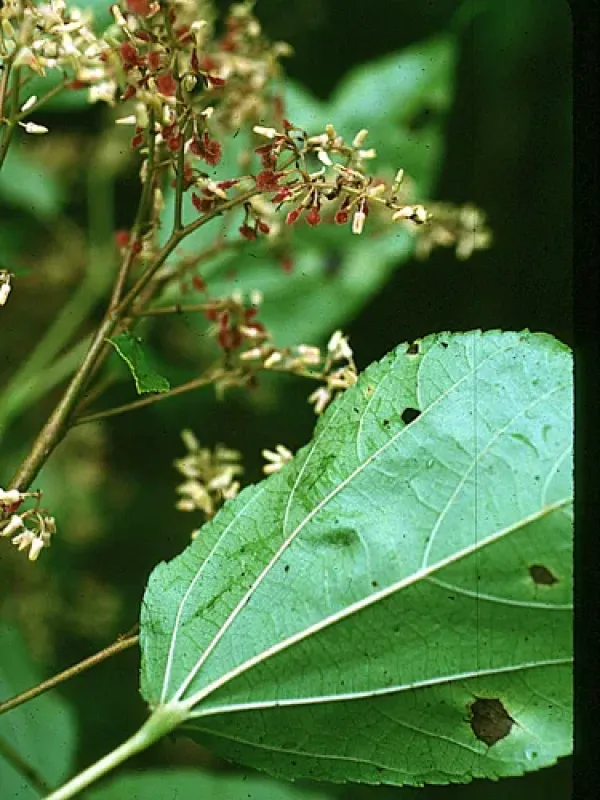
Description
Sowing dates
Heliocarpus donnellsmithii is a light-demanding species, so seeds should be sown in nurseries at the beginning of the rainy season to ensure optimal germination.
The seeds often require scarification to break their hard seed coat, which is a necessary step to promote rapid and uniform growth of seedlings.
Planting seedlings in the field should take place once they reach a height of 30–50 cm and the rainy season is firmly established in the region.
Planting density depends on the specific forestry objectives, typically ranging from 2,500 to 3,000 trees per hectare for high-yield timber production.
Mulching the base of the trees during the first year is highly recommended to control weed growth and maintain soil moisture near the root zone.
Growing requirements
As a member of the Malvaceae family, this species is recognized for its exceptional growth rate and adaptability to various tropical environmental conditions.
The tree performs best in fertile, well-drained soils, although it shows a high level of resilience across different tropical soil types and landscapes.
Ideal temperatures for active growth range between 22 and 30 degrees Celsius, which is characteristic of the humid tropical climate where it thrives.
Heliocarpus donnellsmithii requires consistent rainfall throughout the year and is highly sensitive to severe droughts or prolonged waterlogging conditions.
Sites should be selected in areas protected from strong, persistent winds to prevent breakage of the stems, especially in young, developing plantations.
Yield
The main economic value of this crop is its rapid biomass accumulation, allowing for harvest cycles as short as 5 to 7 years after initial planting.
The wood produced is highly sought after for pulp and paper manufacturing, light construction materials, and the creation of versatile wood panels.
In addition to timber, the bark provides strong natural fibers that have been traditionally used for cordage and various textile applications in local industries.
This species is also widely used in agroforestry systems for land restoration, as it quickly creates a canopy and improves soil structure through leaf litter.
Sustainable harvest volumes are consistently high, making it a reliable crop for commercial timber producers in suitable tropical climates.
Main diseases and pests
Leaf-eating insects are among the most common pests that can affect young plantations, potentially hindering development during the early growth stages.
Fungal root diseases can emerge in poorly drained soil, making adequate land preparation and water management essential for long-term plantation health.
While generally hardy, mature trees may face attacks from stem borers if they are stressed by nutritional deficiencies or severe climatic fluctuations.
Proactive management includes regular monitoring of tree health and the prompt removal of affected branches to prevent the spread of localized infections.
Avoiding large-scale monocultures and implementing strategic planting patterns can help reduce the susceptibility of the crop to widespread pest outbreaks.
Harvesting
Harvesting is typically scheduled for the dry season, which facilitates timber transport and reduces the moisture content of the wood for better durability.
Felling techniques must be executed with precision to avoid unnecessary damage to the soil and to potential secondary growth or surrounding flora.
Rapid post-harvest processing is critical to prevent fungal colonization, especially in humid conditions where wood rot can occur very quickly.
When harvesting for fiber, extraction should align with peak growth periods to ensure the bark can be separated efficiently from the woody core.
Modern logging equipment allows for efficient processing, helping to maximize the economic output of the plantation during the short harvest windows.