
Halberd-leaved hibiscus
Hibiscus militaris
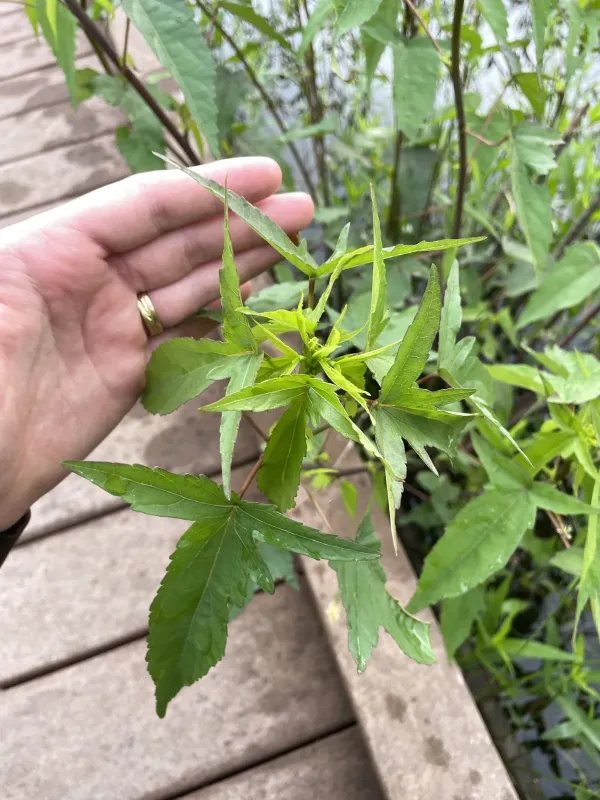
Description
Sowing dates
Seeds of the Halberd-leaved hibiscus should be sown in a protected environment in late winter to ensure they have enough time to mature before autumn.
The seeds possess a hard coat, so soaking them in water for 24 hours prior to planting is a standard practice to improve germination rates significantly.
A soil temperature of around 22°C is ideal for the germination process, which typically lasts from ten to twenty days under consistent moisture conditions.
Transplanting seedlings into individual containers is recommended once they have developed at least two sets of true leaves to prevent root competition.
Hardening off the plants before placing them into their permanent garden location is essential to avoid transplant shock from sudden environmental changes.
Growing requirements
Hibiscus militaris is a perennial herb of the Malvaceae family, native to the southeastern United States, often found in marshy habitats and riverbanks.
This species thrives in high-moisture environments and requires consistently damp, fertile soil to produce its characteristic halberd-shaped leaves and showy flowers.
Full sun exposure is necessary for the plant to bloom effectively; limited light will result in leggy growth and significantly reduced flower production.
The plant performs best in neutral to slightly acidic soil conditions and benefits greatly from the addition of organic compost at the beginning of the season.
Adequate spacing, typically 60 to 90 centimeters apart, ensures proper air circulation, which is crucial for preventing fungal issues in high-humidity climates.
Main diseases and pests
Aphids are the most common pest found on this hibiscus, often congregating on buds and new growth, which can lead to deformed foliage if left untreated.
Spider mites are a particular concern during periods of hot, dry weather, requiring the gardener to monitor the underside of leaves for signs of infestation.
Fungal diseases like leaf spot and powdery mildew are prevalent in areas with high humidity or poor air movement, necessitating good cultural practices.
Effective management includes regular monitoring, manual removal of pests, and the application of appropriate systemic insecticides or fungicides if outbreaks occur.
Root rot is a major risk if the soil becomes compacted and waterlogged, so ensuring proper drainage remains the top priority for long-term health.