
Grewia villosa
Grewia villosa
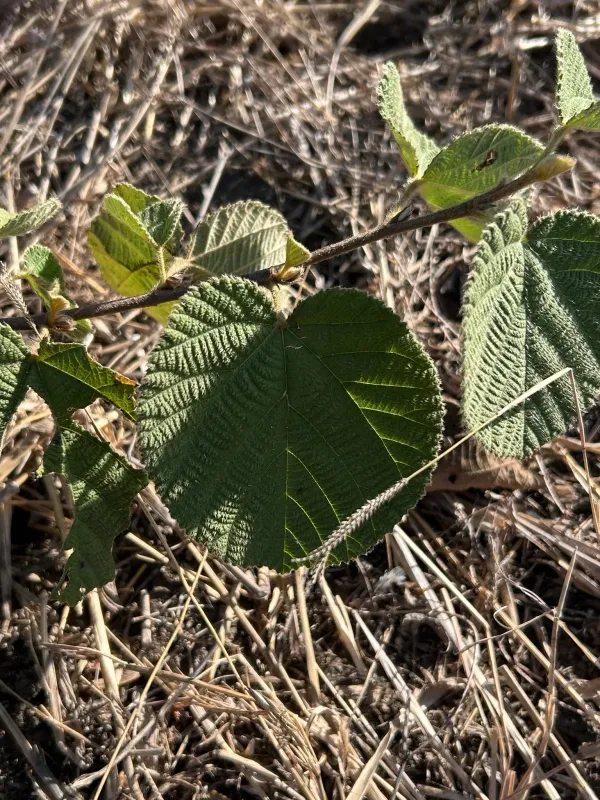
Description
Sowing dates
Grewia villosa is a multi-stemmed shrub belonging to the Malvaceae family. In agricultural practice, it is primarily propagated from seeds, which must be collected when fully ripe to ensure high viability. The hard seed coat often requires scarification to improve germination rates.
Sowing should take place at the beginning of the rainy season to provide the seedlings with sufficient moisture for establishment. The seeds are typically sown in prepared nursery beds or directly into well-drained soil, placed at a depth of about 2 centimeters.
Germination is favored by warm, humid conditions. Regular monitoring of the soil moisture is essential during the initial weeks to prevent the drying out of the sensitive young root systems of the Grewia seedlings.
Vegetative propagation using cuttings is another effective method, particularly when specific traits need to be preserved. Cuttings are taken from healthy, semi-hardwood stems and treated with rooting hormones before being placed in a protected environment.
Once the saplings are sufficiently hardened, they are transplanted into their permanent location. Proper spacing is crucial to allow the mature shrub enough room to develop its full canopy and maximize fruit production.
Growing requirements
Grewia villosa is remarkably adapted to arid and semi-arid environments. It thrives in sunny locations where it can receive direct sunlight for the majority of the day, which is necessary for vigorous growth and flowering.
The plant is highly drought-tolerant, capable of surviving long intervals without rainfall. It prefers well-drained sandy or loamy soils and is particularly sensitive to waterlogged conditions, which can lead to root rot and other physiological disorders.
Temperature tolerance is one of the species' defining characteristics. It is well-suited to the high temperatures of its native African range, maintaining metabolic functions even under heat-stress conditions that would inhibit less hardy crops.
Soil nutrient requirements are relatively low, making this species suitable for reforestation or land restoration projects in degraded areas. However, providing organic matter during the planting stage can significantly improve early growth rates.
Maintenance involves minimal intervention, such as occasional pruning to remove dead or diseased wood. This practice helps maintain the structural integrity of the bush and encourages the production of new fruiting shoots.
Yield
The economic value of Grewia villosa stems from its diverse uses. The fruits are edible, rich in sugars and essential nutrients, and serve as a seasonal food source for both humans and local wildlife populations.
Beyond its edible properties, the plant is highly valued for its wood. The branches are sturdy yet flexible, making them ideal for the manufacture of traditional tools, handles, and fencing materials used in rural agriculture.
The leaves of the plant are highly palatable to livestock, particularly small ruminants like goats and sheep. They are utilized as a supplemental forage source during the dry season when high-quality grazing is scarce.
Medicinal applications of Grewia villosa are widely documented in traditional systems of medicine. Different parts of the plant are extracted and used to treat conditions ranging from inflammation and fever to digestive issues.
Yield productivity is linked to annual rainfall patterns and the age of the individual plant. Mature shrubs, when managed correctly, provide a consistent annual harvest of both fruit and biomass for multiple agricultural purposes.
Main diseases and pests
While naturally robust, Grewia villosa can be susceptible to fungal infections if planted in areas with poor drainage. Foliar diseases characterized by necrotic spotting can occur under conditions of excessive humidity and low air circulation.
Pests such as aphids and scale insects occasionally infest the succulent new growth of the plant. Monitoring for these pests is essential, especially in nursery settings where young plants are more vulnerable to damage.
To mitigate the risk of disease, growers should ensure proper spacing between shrubs to allow for air movement. Removing infected leaves or branches promptly can prevent the spread of localized infections throughout the stand.
Integrated Pest Management (IPM) strategies are recommended to maintain environmental health. The use of biological controls or organic-compliant soaps is preferred over broad-spectrum synthetic pesticides to protect local pollinators.
Physical damage to the bark from browsing animals or environmental factors can create entry points for secondary pathogens. Protecting young plants with guards and maintaining clear areas around the base helps preserve tree health.
Harvesting
Fruit harvesting is a manual process that requires careful selection to ensure high quality. Fruits are ready to be picked when they reach their characteristic color and show a slight softness, indicating optimal sugar content.
Because fruit ripening on a single plant is often asynchronous, harvesters must return to the shrubs periodically throughout the season. This staggered harvest approach is efficient for small-scale production.
Immediate processing or cooling is recommended after harvest to extend the shelf life of the fruit, as their high sugar content makes them prone to rapid fermentation or spoilage in warm climates.
Wood harvesting is best performed during the dormant season. This practice not only provides high-quality material for construction or toolmaking but also stimulates the plant to sprout fresh, vigorous shoots in the next growing cycle.
For forage production, periodic harvesting of foliage should be balanced with the plant’s growth requirements. Excessive defoliation during the peak growth season can reduce subsequent fruit yields and weaken the shrub's vigor.