
Grewia tiliifolia
Grewia tiliifolia
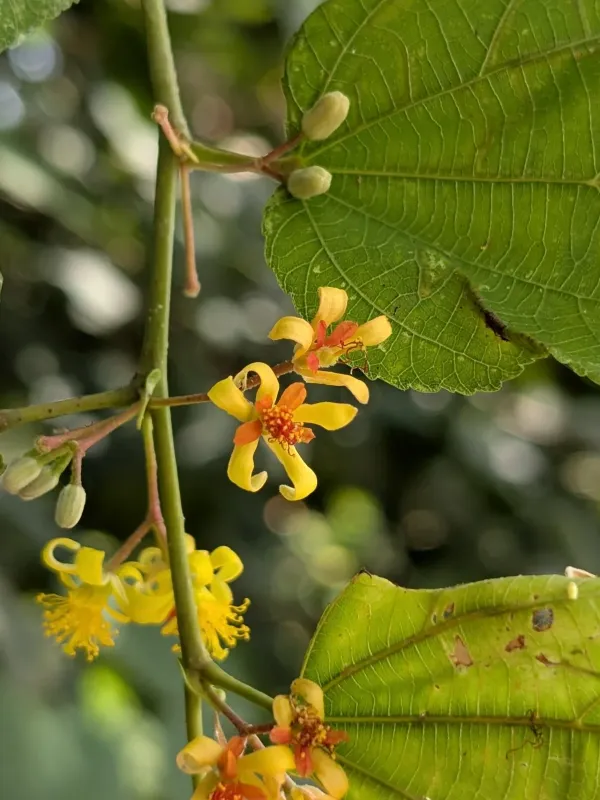
Description
Growing requirements
Grewia tiliifolia is a deciduous tree belonging to the Malvaceae family, widely recognized for its robust nature in tropical and subtropical forest ecosystems. It is often valued for its straight trunk and hard, durable wood.
The plant thrives in deep, fertile, and well-drained soils. While it shows tolerance to various soil types, alluvial loam generally provides the best growing conditions for rapid biomass accumulation.
This species is well-adapted to monsoon climates, characterized by distinct wet and dry seasons. It requires full sunlight during the growth phase, making open or semi-open canopy environments ideal for its development.
Cultivation requires careful management of seed germination, as seeds often exhibit dormancy that may require pre-treatment. Once established, the trees are resilient to drought due to their deep root system.
Beyond timber production, this species serves ecological roles in soil conservation and as a source of high-quality fodder for livestock, reflecting its status as a versatile multipurpose tree.
Main diseases and pests
Fungal infections, particularly root rot, pose a significant threat during the early seedling stages. Proper sanitation and soil management are essential to prevent the spread of soil-borne pathogens in nurseries.
Insect pests, such as leaf-eating caterpillars and stem borers, are the most common biological threats to established trees. These can cause considerable damage to the foliage and affect the structural integrity of the wood.
Environmental stress, such as prolonged waterlogging, can weaken the trees and make them susceptible to secondary pest attacks. Maintaining optimal hydrological conditions is critical for tree health.
Powdery mildew and various leaf spot diseases can occur during humid periods, potentially reducing the photosynthetic capacity of the canopy. Fungicidal applications may be required in severe infestation cases.
Human-induced activities, including improper pruning and uncontrolled grazing around young saplings, often lead to mechanical damage, which serves as an entry point for various wood-decay fungi.