
Guichenotia macrantha
Guichenotia macrantha Turcz.
Description
Growing requirements
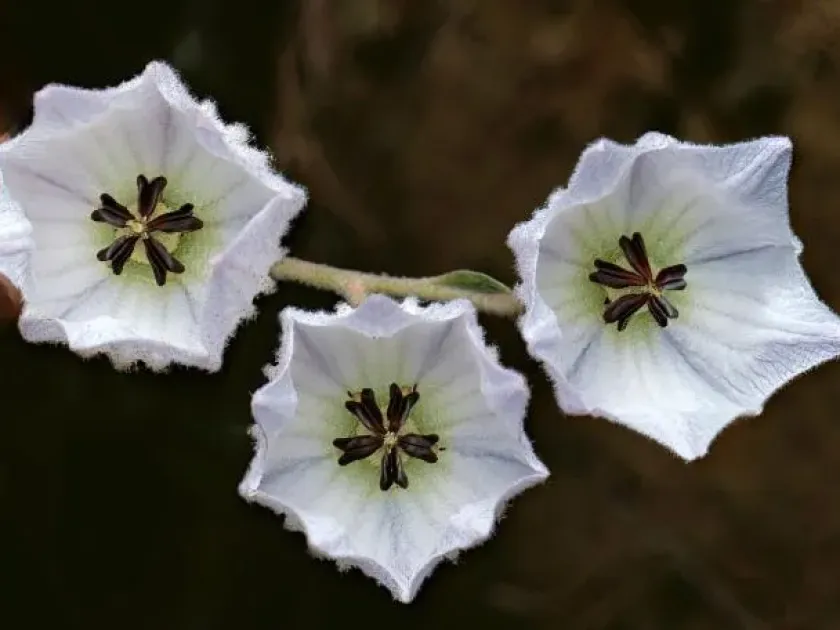
Guichenotia macrantha is an evergreen ornamental shrub belonging to the Malvaceae family, native to the southwestern regions of Western Australia. In its natural habitat, the plant grows to a height of 1–2 meters and is highly valued for its striking, large pink or purple flowers.
This crop prefers sunny locations with high light intensity, which is essential for prolific flowering. The plant exhibits high drought tolerance, though it requires moderate irrigation during the active vegetative growth phase, while preventing waterlogging at the roots is crucial.
The plant has strict requirements for soil conditions: it demands light, well-drained soils with a neutral to slightly acidic pH. Heavy clay soils are detrimental to the root system due to the significant risk of root rot development.
Climatically, the species is adapted to a Mediterranean-type climate characterized by hot, dry summers and mild, wet winters. In temperate zones, cultivation is mostly possible in greenhouses or containers, with the provision of a winter dormancy period at positive temperatures.
The economic use of Guichenotia is primarily ornamental. It is widely utilized in landscape architecture for creating rock gardens, mixed borders, and decorative groupings, contributing an exotic aesthetic to the landscape.
Main diseases and pests
The main threats to the plant include fungal diseases that develop due to excessive watering and poor air circulation in greenhouse environments. The root collar is particularly susceptible to Phytophthora and other rot-inducing pathogens.
Among pests, the greatest danger is posed by sap-sucking insects such as aphids and spider mites, which may attack young shoots in the dry air conditions of conservatories. Regular inspection of the foliage and maintenance of optimal humidity levels help minimize these risks.