
West Indian elm
Guazuma ulmifolia
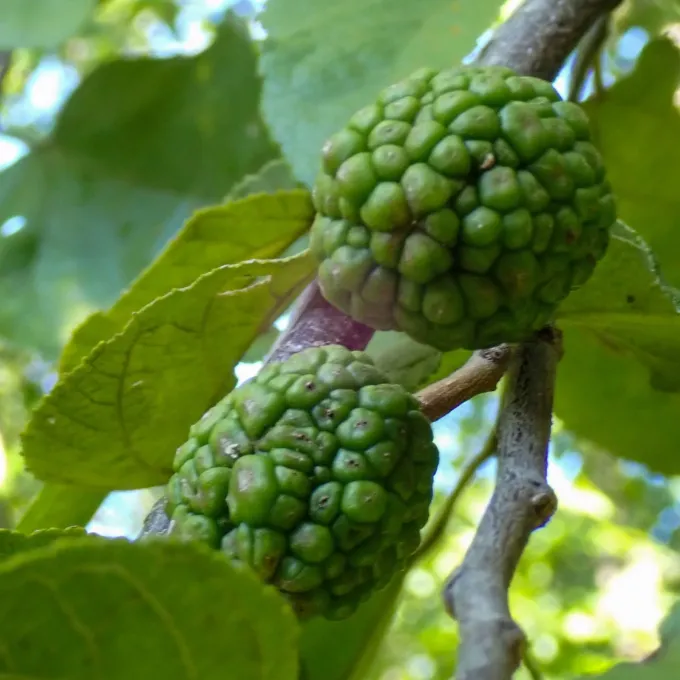
Description
Sowing dates
The seeds of Guazuma ulmifolia possess a hard coat, necessitating scarification or soaking in hot water to enhance germination rates effectively.
Seeds are typically sown in nursery containers filled with a well-draining substrate to monitor initial growth and ensure high survival rates.
The ideal planting season aligns with the onset of the rainy period, providing the necessary moisture for the young saplings to establish roots.
Transplanting to the field is performed once the seedlings reach approximately 30 to 50 centimeters in height, usually 3 to 4 months after sowing.
Proper spacing is crucial when establishing a plantation to ensure that each tree has sufficient sunlight and space to develop a full canopy.
Growing requirements
Belonging to the Malvaceae family, Guazuma ulmifolia is a hardy species highly adaptable to various tropical and subtropical climate conditions.
The plant thrives in areas with annual rainfall between 700 and 1500 mm, though it exhibits significant drought tolerance once fully established.
It is not highly demanding regarding soil quality, growing well in alluvial, clay, or calcareous soils provided they offer adequate drainage.
The optimal temperature range for this species is between 20 and 30 degrees Celsius, and it is sensitive to severe frost throughout its life cycle.
Sunlight exposure is essential for vigorous growth, although young plants may benefit from slight shading during the initial stage of their development.
Yield
The primary agricultural value of this tree lies in its biomass production, providing a high-protein fodder source for livestock during dry seasons.
Leaves and fruits are rich in minerals and nutrients, making them a significant dietary supplement for ruminants when pasture grasses become scarce.
Frequent pruning of the branches encourages the development of new foliage, significantly increasing the total green mass yield per hectare annually.
The timber is valued for local construction and the manufacturing of furniture, as it is durable, relatively lightweight, and easy to machine.
In various regions, the fruits are also used as a supplementary food source or processed into different agricultural by-products.
Main diseases and pests
While generally robust, young plants can be susceptible to aphid and scale insect infestations, which can weaken the growing shoots if left untreated.
Poor soil drainage or stagnant water conditions can lead to root rot and other fungal diseases, significantly impacting the health of the plantation.
Competition from weeds and invasive grasses poses a threat to saplings; therefore, regular weeding around the base of the tree is strictly required.
Leaf-eating insects can cause damage during the peak growing season, potentially reducing the overall quality of the available forage biomass.
Maintaining adequate space between trees and ensuring good air circulation is a primary preventative measure against most common plant diseases.
Harvesting
Fruits are harvested manually after reaching full maturity, indicated by their dark brown or nearly black color during the ripening stage.
Fodder harvesting involves pruning selected branches, a process that can be efficiently managed through periodic cycles to ensure continuous production.
Harvesting for biomass should ideally occur during the periods of active vegetative growth to ensure the highest nutrient concentration in the leaves.
The harvested material is often processed by drying or ensiling to extend its shelf life, allowing farmers to maintain feed supply throughout the year.
When harvesting timber, a selective cutting strategy is recommended to allow the remaining trees to recover and continue producing environmental services.