
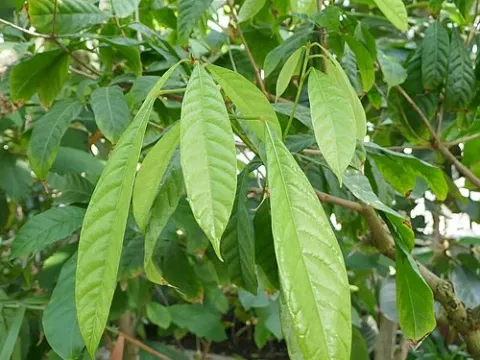
Cola attiensis
Cola attiensis
Cola attiensis is an evergreen tree species belonging to the Malvaceae family, native to the tropical rainforests of West Africa. The plant is botanically distinguished by its leathery leaves and unique, caffeine-rich seeds which are of significant commercial interest.
What the section contains
Cola attiensis
The crop thrives in hot, humid tropical climates where temperatures remain consistently between 24 and 30 degrees Celsius. Successful cultivation requires a deep, nutrient-rich soil that is well-drained, as the tree is particularly susceptible to root rot caused by stagnant water conditions.
For optimal growth, Cola attiensis requires protection from intense, direct sunlight during its early stages. Cultivation practices often involve planting in shaded areas or under the canopy of larger, established trees to simulate the natural environment of its native forest habitat.
The agricultural cycle involves careful soil management and the consistent application of organic amendments to ensure soil fertility. The plant is a slow-growing species, necessitating long-term planning for commercial plantations and sustainable harvesting of its valuable seeds.
Economically, the species is utilized primarily for its seeds, which serve as a source of stimulants and flavorings. The chemical profile of the plant includes various alkaloids, such as caffeine and theobromine, which are widely extracted for use in the beverage and pharmaceutical industries.
The primary agricultural threats to Cola attiensis include fungal infections that target the fruit, especially during periods of excessive rainfall. Furthermore, localized infestations by beetles can cause significant damage to the plant tissue if not managed through proper sanitary measures and field monitoring.