
Anoda parviflora
Anoda parviflora
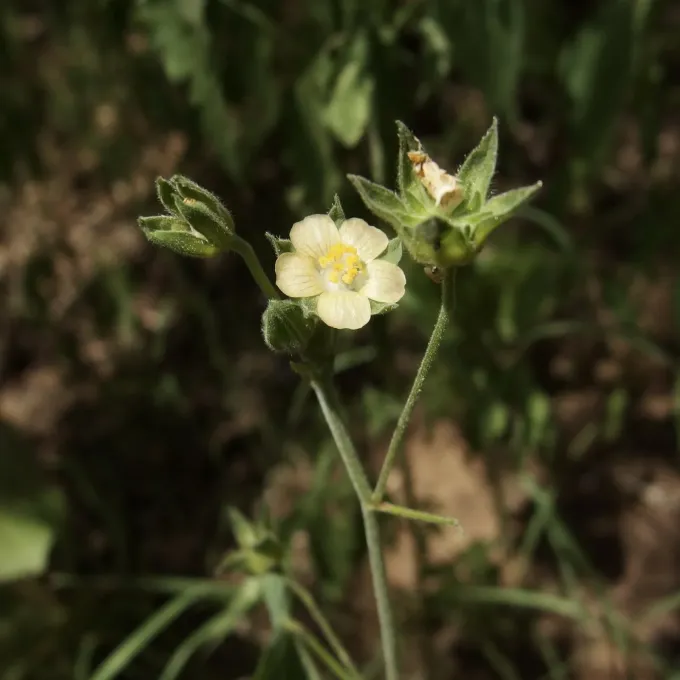
Description
Sowing dates
Anoda parviflora is an annual herbaceous plant belonging to the Malvaceae family. Sowing is typically carried out in spring once the soil temperature reaches 12–15°C, as the seeds require consistent warmth to ensure uniform and rapid germination.
The optimal planting pattern involves row spacing of 45 to 60 cm, which provides the plants with sufficient room for lateral branching and the development of dense aerial mass. The seeding depth is generally kept at 2–3 cm depending on soil texture and moisture content.
The crop displays vigorous growth during early developmental stages, allowing it to compete effectively with weeds provided that sowing is timed correctly. It is crucial to prevent soil compaction in the seedbed to maintain adequate aeration for emerging root systems.
For industrial cultivation, it is important to consider that the plant is highly heliophilic. Anoda prefers open, fully sun-exposed areas where it can reach its full growth potential and produce high-quality seed material consistently throughout the season.
In regions with shorter growing seasons, starting the plants from seedlings and transplanting them after the last frost is a viable option. This method extends the vegetative period and significantly enhances the biomass yield for fodder or green manure purposes.
Growing requirements
Anoda parviflora is not particularly demanding regarding soil fertility; however, it thrives best in well-drained loamy or sandy soils with a neutral to slightly alkaline pH. It can withstand short periods of drought but requires regular irrigation for maximum productivity.
The ideal temperature range for growth is moderate, typically between 20–28°C during the day. Excessive humidity combined with low nighttime temperatures may increase the risk of fungal infections on the stems and leaves.
The plant responds well to moderate nitrogen fertilization during early growth phases. During the budding stage, the application of phosphorus and potassium-based nutrients is recommended to boost the plant's immunity and facilitate better fruit set.
The crop is highly adaptable, yet growth rates slow down significantly under severe water stress. Agronomists often recommend mulching the soil to preserve moisture and maintain a stable temperature in the root zone during hot spells.
Although the plant is resistant to temperature fluctuations, it is sensitive to waterlogging. When selecting a field, avoid low-lying areas or sites prone to soil saturation after heavy rainfall to prevent root rot.
Yield
The yield of Anoda parviflora depends largely on plant density and the overall agronomic background. Under favorable conditions, the crop produces a substantial amount of biomass that can be used as green manure or a component in enriched fodder blends.
The economic utilization of the crop includes the production of seeds. The seeds of Anoda contain specific lipids and proteins, making them a potential raw material for various processing industries, including feed manufacturing and potentially bio-industrial applications.
When harvesting for green manure, it is essential to mow the crop before the stems become overly fibrous. This ensures rapid decomposition of the biomass in the soil, effectively enriching it with organic matter and nitrogen.
In research and horticultural settings, yield is assessed by the number of flowers and seed capsules produced. The plant's high regenerative capacity allows it to recover well after partial harvest of the foliage.
Maximum yields are typically achieved through integrated crop management where Anoda serves as a phytosanitary plant, helping to suppress soil-borne pathogens and improve overall soil health for subsequent crops in the rotation.
Main diseases and pests
The primary disease affecting the crop is powdery mildew, which often occurs in dense plantings with poor ventilation. To mitigate this risk, it is recommended to maintain optimal plant spacing and promptly remove any infected specimens.
The most common pests include aphids and spider mites, which feed on the sap of young leaves. The use of biological insecticides and maintaining high biodiversity in and around the fields help manage these pest populations naturally.
- Powdery mildew (fungal foliage infection).
- Aphids (feeding on apical shoots).
- Spider mites (sucking cell sap).
- Bacterial leaf spots (resulting from excess moisture).
Disease prevention starts with the use of high-quality, pathogen-free seed material. Treating seeds before planting can significantly reduce the risk of early-stage seedling infections.
Continuous monitoring of the crop is vital throughout the growing season. Early detection of pests allows for localized management, avoiding the need for broad-spectrum chemical pesticides and preserving the crop's ecological integrity.
Harvesting
Green biomass harvesting is performed during the peak flowering phase, as this is when the concentration of nutrients in the stems and leaves is highest. This timing is critical for using the plant as a fertilizer or compost component.
For seed production, harvesting is scheduled for when the seed capsules turn brown but have not yet dehisced (split open). This timing prevents excessive seed shattering and potential crop loss in the field.
The harvested material must be dried in a well-ventilated area under shelter to prevent molding. Proper drying preserves the biological compounds contained within the plant tissues for storage.
When harvesting for technical or ornamental purposes, manual or small-scale mechanical methods are used, taking care to handle the material gently, as it can become brittle when completely dry.
Post-harvest residues are ideally incorporated into the soil by plowing. Anoda parviflora leaves the soil structure loose and airy, creating a highly favorable environment for the growth of subsequent crops in the rotation.