
Anisodontea scabrosa
Anisodontea scabrosa (L.) Bates
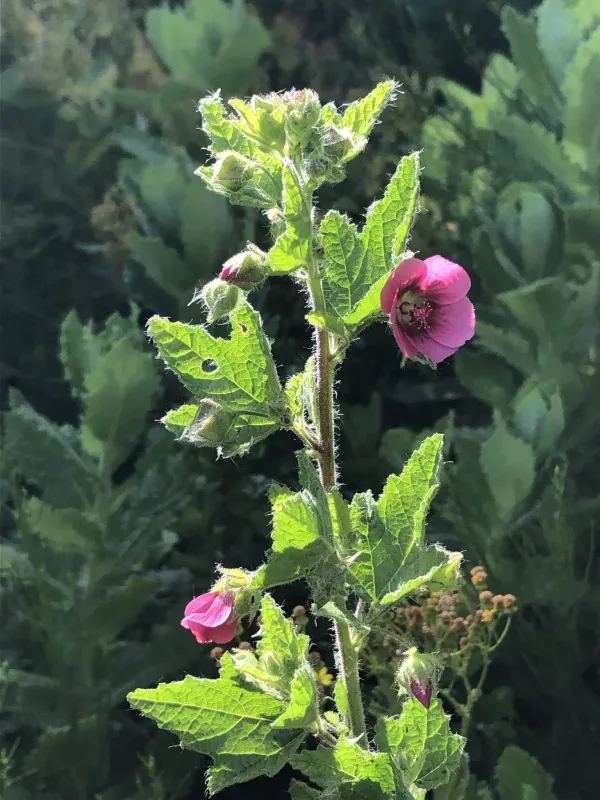
Description
Growing requirements
Anisodontea scabrosa is a distinctive evergreen shrub belonging to the Malvaceae family, native to the diverse landscapes of South Africa. It is characterized by its woody base and vibrant, mallow-like flowers that appear throughout the growing season.
To thrive, this plant requires a location with full sun exposure. In regions prone to frost, it is primarily cultivated as a container plant, allowing for seasonal relocation to frost-free environments during winter months.
The ideal soil profile for Anisodontea scabrosa is a well-draining, nutrient-rich medium with a neutral to slightly acidic pH level. Proper aeration of the root zone is crucial to prevent the onset of root-related physiological disorders.
Watering management should be balanced; the substrate should be kept consistently moist during the active growth phase but allowed to dry slightly between waterings. Excessive moisture retention in the root zone must be strictly avoided.
Cultural maintenance involves periodic pruning to encourage dense, bushy growth and prevent the plant from becoming leggy. Pruning is typically performed after the main flowering flush to rejuvenate the plant structure.
Main diseases and pests
The crop is susceptible to common greenhouse and garden pests, notably aphids, whiteflies, and spider mites. Integrated pest management strategies, including the use of horticultural soaps or specific insecticides, are recommended to maintain plant health.
Fungal pathogens such as powdery mildew can affect the foliage if air circulation is insufficient. Ensuring proper plant spacing and managing humidity levels are key preventive measures against these common biological threats.