
Anisodontea capensis
Anisodontea capensis (L.) D. M. Bates
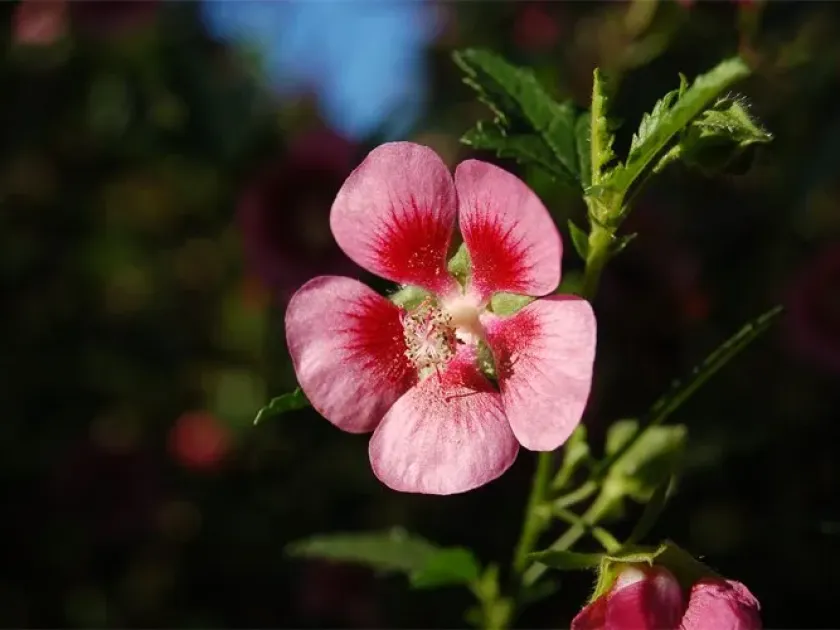
Description
Sowing dates
Anisodontea capensis is typically propagated by seeds or cuttings. Seeds should be sown in early spring in well-drained seedling trays, maintaining a temperature of approximately 20 degrees Celsius.
Stem cuttings are a reliable way to reproduce the plant, especially when selecting semi-hardwood shoots in late summer. This ensures high viability and maintenance of the species' characteristics.
Seedlings should be hardened off before being transplanted into their permanent outdoor locations. This transition helps the plant acclimatize to outdoor environmental factors.
Adequate spacing is required during planting to ensure proper air circulation around the shrub, which significantly reduces the risk of fungal infections later in the season.
Preparation of the soil before sowing or planting involves incorporating organic matter to improve soil structure, provided the drainage remains excellent and consistent.
Growing requirements
This species belongs to the Malvaceae family and originates from the Cape region of South Africa. It thrives in locations that receive full sun for the majority of the day.
The plant requires fertile, well-draining soil with a near-neutral pH. Sandy or loamy soil types are ideal, as they prevent the risk of waterlogging, which the plant is highly susceptible to.
Watering schedules should be consistent, ensuring that the soil remains moist but not saturated. Drought tolerance increases once the plant is fully established in the landscape.
Temperature management is vital, as the plant is not frost-hardy. In temperate climates, it must be grown in pots and moved to a frost-free environment during the winter months.
Regular pruning is an essential maintenance task that encourages bushier growth and enhances the flowering potential throughout the warm season of the year.
Main diseases and pests
Common pests associated with this plant include aphids and spider mites, which primarily target the young, tender growth and the undersides of the leaves during the summer.
Fungal diseases like powdery mildew can develop if the plant is grown in overcrowded conditions with poor airflow, or if the leaves remain damp for too long.
Root rot is a major threat caused by overwatering or poor soil drainage. It is often detected by yellowing leaves and a general decline in the plant's vigor and health.
Whiteflies may occasionally infest the plant, particularly in sheltered or warm greenhouse environments, requiring integrated pest management strategies for control.
Effective pest and disease management is based on early detection and maintaining optimal growing conditions to keep the plant vigorous and resistant to stress.