
Janusia
Janusia
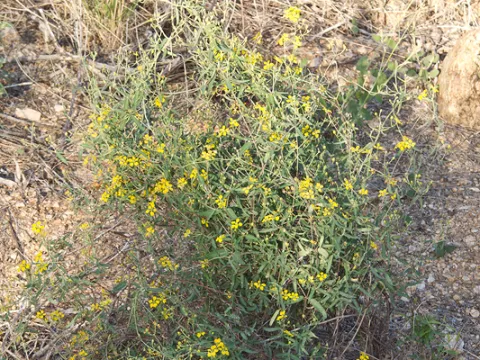
Janusia is a genus of perennial vines and shrubs belonging to the Malpighiaceae family. These plants are primarily adapted to the tropical and subtropical climatic zones of the American continent.
What the section contains

Janusia
Botanically, the genus is characterized by opposite leaves and specialized flowers adapted for entomophilous pollination. The fruits of Janusia are samaras, which are easily dispersed by wind, ensuring the successful colonization of the species in its natural habitat.
Plants of this genus prefer well-drained, predominantly sandy or loamy soils with a moderate pH level. In the wild, they are frequently found in xerophytic forests and shrublands, which indicates their high tolerance to prolonged dry spells.
For optimal development, Janusia requires high levels of solar radiation and the absence of prolonged frosts. The crop is extremely sensitive to waterlogging of the root system, so effective drainage management is essential when introducing these plants to new areas.
In terms of agricultural utility, species of the Janusia genus are primarily regarded as ornamental specimens or components for phytoremediation of eroded soils in southern regions. While they are not cultivated as a major commodity crop, they are researched as a potential source of specialized plant-based raw materials.