
Sphedamnocarpus pruriens
Sphedamnocarpus pruriens
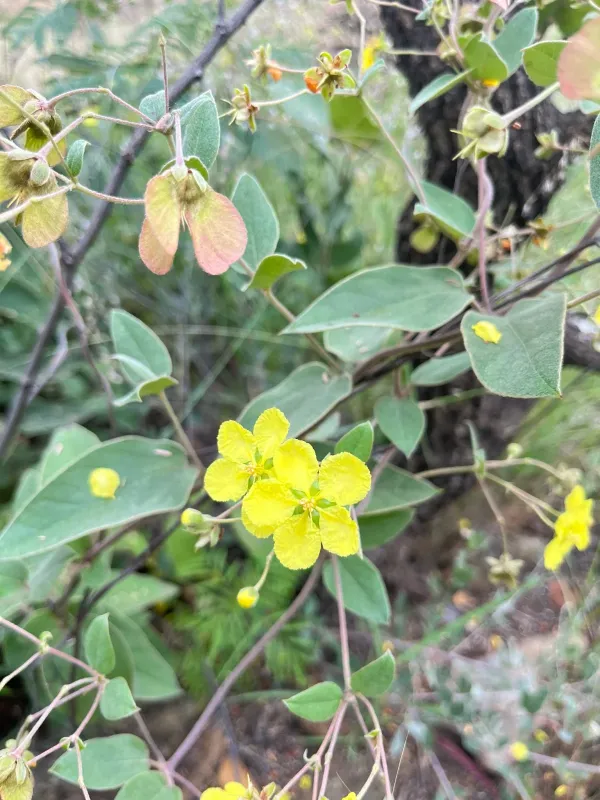
Description
Growing requirements
Sphedamnocarpus pruriens is a distinctive member of the Malpighiaceae family. This perennial species typically grows as a sprawling shrub or a climber, adapted to the specific ecological niches found in Southern Africa.
The plant is native to arid and semi-arid regions. It thrives in well-drained, sandy, or rocky soils, showcasing high tolerance to heat and intense solar radiation, which are characteristic of its native habitat in countries like South Africa and Botswana.
Climate requirements for this plant center around long periods of warmth and seasonal rainfall. It does not require high water inputs; in fact, its physiological adaptations allow it to survive periods of drought by regulating transpiration through specialized leaf structures.
From an agronomic perspective, cultivation requires low-input management. The plant does not demand intensive fertilization, though maintaining a proper pH balance in the soil ensures better nutrient uptake and overall biomass production for potential medicinal extraction.
The species is primarily utilized for its traditional therapeutic properties. Researchers continue to explore the chemical composition of the plant, noting that it contains various secondary metabolites that contribute to its biological activity and use in local herbal practices.
Main diseases and pests
Pest management for this species mainly involves monitoring for spider mites and aphids, which can infest the foliage during particularly dry seasons. Integrated pest management strategies are recommended to maintain plant health without harming local biodiversity.
Fungal pathogens can pose a risk if high humidity persists for extended periods. Ensuring proper plant spacing to allow for adequate airflow is the most effective preventative measure against such infections in a field or nursery setting.