
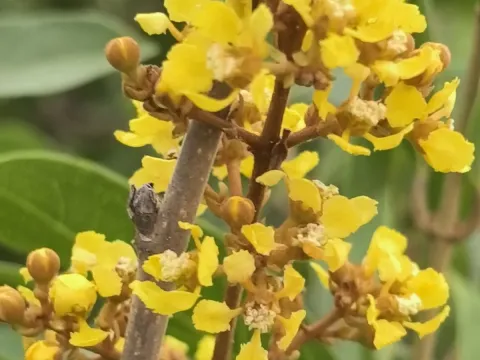
Heteropterys
Heteropterys
Heteropterys belongs to the Malpighiaceae family and consists primarily of woody vines or shrubs native to the tropical regions of Central and South America.
What the section contains


Heteropterys
The plant thrives in humid tropical rainforest conditions with high annual average temperatures and minimal fluctuations. Maintaining stable air humidity is critical for its successful development.
The soil for Heteropterys cultivation must be well-drained, porous, and rich in organic matter. The culture does not tolerate waterlogging in the root zone, which frequently leads to fungal rot.
In its natural habitat, the plant often selects semi-shaded areas under the forest canopy; however, in cultivation, it requires sufficient light to develop robust stems and accumulate bioactive compounds.
Agrotechnical management requires close monitoring of soil pH, which should remain slightly acidic to neutral. Regular application of organic fertilizers significantly improves biomass production, which is essential for commercial harvest.
The agricultural use of Heteropterys is traditionally centered on the harvesting of raw medicinal materials from the bark and roots, which contain specific alkaloids and flavonoids.
Harvesting is usually initiated when plants reach three to five years of age, ensuring the concentration of medicinal compounds in the vine tissues has reached its peak.
Bark is harvested by carefully stripping portions of the mature stems, taking care to maintain plant health and prevent the death of the entire individual specimen.
Once harvested, the plant material must be dried immediately in a shaded area with adequate airflow to prevent fermentation processes that could destroy its active chemical components.
Heteropterys is widely studied in ethnobotany, where its extracts have historically been used in traditional formulations aimed at stimulating metabolic functions.