
Galphimia
Galphimia
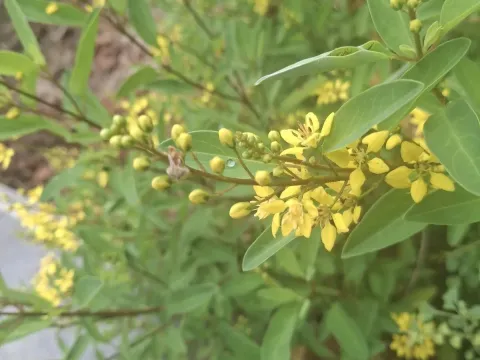
Galphimia (Galphimia) is a genus of flowering plants in the family Malpighiaceae. These plants are native to the tropical regions of the Americas and are highly valued for their ornamental clusters of yellow flowers.
What the section contains


Galphimia
The botanical structure of Galphimia includes woody stems and evergreen foliage, which can grow into a dense shrub if pruned correctly. It thrives in tropical climates where temperatures remain consistently warm throughout the year.
Regarding climate requirements, Galphimia requires full sun exposure to maintain vigorous growth and abundant flowering. It cannot withstand freezing temperatures, making it suitable for tropical landscaping or container gardening in colder regions.
Soil conditions should be well-drained and slightly acidic to neutral. High organic matter content significantly improves the health and growth rate of the plant, especially in pot-grown specimens.
The standard agricultural practice for Galphimia involves consistent irrigation to keep the soil moist but not waterlogged. Regular pruning is also recommended to maintain a compact shape and encourage the development of new flowering shoots.
Common pests that may affect Galphimia include spider mites and scale insects, which often thrive in dry environments. These pests can weaken the plant by feeding on its sap.
Root rot is the most common disease associated with improper irrigation management. Overwatering leads to oxygen deprivation in the roots, facilitating fungal pathogen invasion.
Management strategies include applying horticultural oils or systemic insecticides to control infestations and improving drainage to prevent soil moisture accumulation.
Fungal leaf spots may occur in high-humidity conditions; therefore, proper spacing between plants is crucial to ensure good airflow and prevent rapid disease spread.
Monitoring the plant for early signs of leaf yellowing or stunted growth is key to identifying potential threats before they become a severe agronomic problem.