
Lophanthera lactescens
Lophanthera lactescens
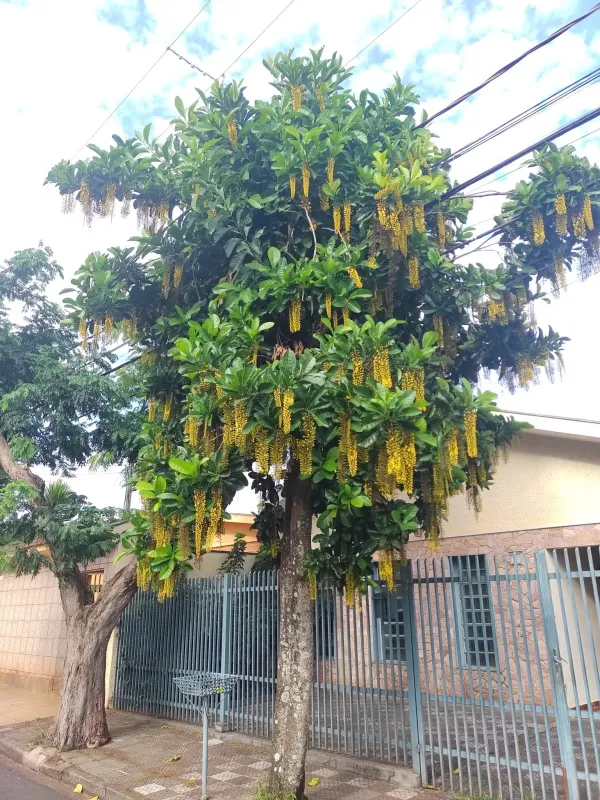
Description
Growing requirements
Lophanthera lactescens is a distinct botanical species belonging to the Malpighiaceae family, native to the tropical rainforests of the South American continent.
This species is highly valued for its striking botanical architecture and specific ecological niche, requiring constant warm temperatures and significant environmental humidity.
Soil requirements include a rich, organic-based medium with excellent drainage capabilities to mimic the forest floor conditions where the plant naturally thrives.
The plant demonstrates a strong preference for dappled sunlight, avoiding direct, harsh solar radiation that can compromise the structural integrity of its foliage.
Proper water management is essential; the root zone must remain moist without becoming waterlogged to ensure optimal nutrient uptake and long-term vitality.
Main diseases and pests
The main threats to the plant's health include fungal root rot pathogens, which are exacerbated by poor circulation and excessive moisture retention in the growing medium.
Insect pests, such as scale insects and aphids, often target the stems and leaves, necessitating integrated pest management strategies to maintain plant vigor.
Preventative measures against fungal outbreaks involve regular pruning of dense canopy areas to improve airflow and reduce humidity traps around the main trunk.
Nutritional imbalances, often manifesting as foliar chlorosis, are common when soil pH deviates from the preferred acidic range, requiring balanced fertilization.
Environmental stress caused by temperature fluctuations or cold drafts can weaken the plant, making it more susceptible to opportunistic secondary infections.