
Globimetula
Globimetula
Globimetula is a genus of hemiparasitic shrubs belonging to the Loranthaceae family. Unlike conventional crops, these plants are considered pests or botanical curiosities that rely entirely on host trees for survival.
What the section contains

Globimetula
These plants utilize specialized structures known as haustoria to penetrate the bark and vascular system of the host tree. Through this connection, they siphon water, minerals, and nutrients, effectively diverting energy away from the host.
The genus is native to tropical Africa, flourishing in environments characterized by high humidity and consistent warmth. They are commonly found in tropical forests and savannah regions, colonizing a wide variety of native and cultivated tree species.
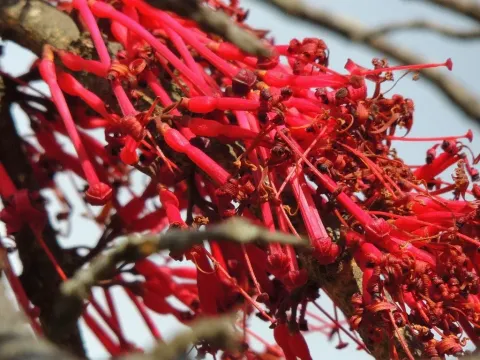
Botanically, Globimetula is recognized for its vibrant, tube-shaped flowers, which are primarily adapted for pollination by specialized birds. Their fruit is fleshy and contains sticky seeds that facilitate dispersal via avian vectors.
Successful management of these plants involves constant vigilance. Growers must ensure that host trees are kept in good health, and any colonization by Globimetula should be addressed through immediate physical removal of the affected branches.
The primary threat posed by Globimetula is the physiological stress placed on the host tree. This leads to stunted growth, reduced photosynthetic efficiency, and a significant decline in the overall vigor and yield of fruit-bearing trees.
The attachment points of the parasite create anatomical vulnerabilities in the tree's structure. These entry points often serve as sites for wood-decay fungi, bacteria, and opportunistic pathogens that can further compromise the tree's systemic health.
In intensive cultivation, uncontrolled spread of this parasite can lead to substantial economic losses. Entire orchards may experience decline if the parasitic colonies are not managed during the early stages of infestation.
Chemical control remains a challenging endeavor. Because the parasite shares a circulatory connection with the host, systemic treatments are often impractical as they risk killing or injuring the valuable tree being protected.
Mechanical pruning remains the standard agricultural practice for control. It is recommended to perform these operations during the dry season when visibility in the canopy is improved and the metabolic rate of the parasite is slightly lower.