
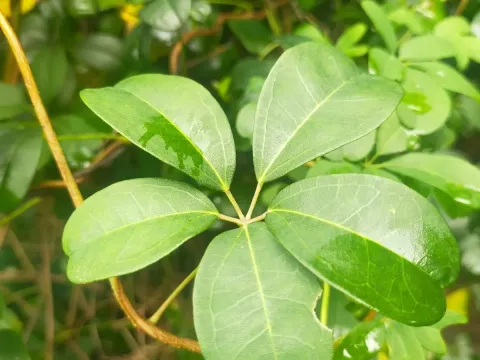
Akebia
Akebia
Akebia is a genus of deciduous or semi-evergreen climbing vines belonging to the Lardizabalaceae family. Originating from East Asia, including regions in China, Japan, and Korea, these plants are renowned for their vigorous growth and distinct floral fragrance.
What the section contains


Akebia
The plant thrives in well-drained, fertile soil with a neutral to slightly acidic pH level. While Akebia prefers locations with full sun, it is highly adaptable and can grow effectively in partial shade, provided it receives sufficient moisture throughout the growing season.
In terms of climate, Akebia requires protection from extreme frost during its establishment phase. It is best suited for temperate climates where it can reach significant heights, often scaling up to 10 meters when provided with sturdy trellises or walls for support.
Agricultural management of Akebia involves regular pruning, which is essential to maintain plant shape and prevent the vine from becoming overly dense. Pruning is usually performed after the flowering period to encourage healthy new growth.
Propagation is primarily achieved through stem cuttings or layering, which are methods that ensure the offspring retain the traits of the parent plant. Seeds can also be used, though they require a period of cold stratification to break dormancy.
Akebia is cultivated both as an ornamental plant for landscaping and for its edible, cucumber-shaped fruits. Often called the "chocolate vine" due to the sweet, cocoa-like scent of its flowers, it adds significant aesthetic value to gardens.
The fruits of the Akebia vine are fleshy pods that split open when ripe, revealing a soft, sweet pulp filled with numerous small seeds. The pulp is considered a delicacy in various Asian cuisines and is enjoyed for its mild, musky flavor.
Yield depends heavily on cross-pollination. Because many Akebia species are self-sterile, it is standard agricultural practice to plant multiple individuals to facilitate fruit set, as natural insect pollinators perform the required cross-breeding.
Harvesting usually takes place in late summer or autumn once the pods begin to show signs of cracking along the seam. At this stage, the fruit is at peak maturity and possesses the best flavor profile for consumption or further processing.
Beyond human consumption, the stems of the Akebia plant have historical economic value in rural areas, where they are utilized for traditional basket weaving and the creation of various artisanal crafts due to their flexibility and strength.
Akebia is generally robust and suffers from few significant diseases. However, in environments with poor air circulation or excessive humidity, powdery mildew may develop, appearing as a white dusting on the foliage.
Pest issues are usually minimal, though infestations of aphids and spider mites can occur, particularly during hot and dry spells. These pests are primarily managed through regular inspection and the use of appropriate horticultural oils or soaps.
Good cultural practices are the most effective way to prevent threats. Maintaining proper plant spacing, ensuring that the roots are not waterlogged, and timely removal of diseased or dead tissue are critical for long-term vine health.
For more severe pest pressures, producers may employ integrated pest management (IPM) strategies, which prioritize biological controls before resorting to chemical insecticides, ensuring that the fruit remains safe for harvesting.
Winter injury remains the most significant environmental threat to Akebia in cooler regions. Providing adequate mulch around the base of the plant can insulate the roots and help the vine recover more quickly from potential winter damage.