
Decaisnea
Decaisnea
Description
Sowing dates
Decaisnea is primarily propagated through seeds, which require a period of cold stratification to break dormancy. Sowing should be carried out in a well-draining seed-starting mix, typically during late winter or early spring in a sheltered environment.
When sowing, ensure that seeds are covered lightly with substrate. Germination is often slow and can be irregular, so maintaining consistent moisture levels is essential for successful seedling emergence during the first growing season.
Vegetative propagation is also possible through root cuttings or division of established clumps. This method allows for a more predictable growth rate and ensures the new plant maintains the exact characteristics of the parent shrub.
Transplanting seedlings to their permanent garden location should be done once the threat of frost has passed. Care must be taken not to disturb the root ball, as Decaisnea shrubs generally do not respond well to major root disturbances.
For optimal results, young plants should be placed in a location protected from harsh winds and intense afternoon sun, which can dehydrate delicate young foliage before it becomes fully established.
Growing requirements
Belonging to the Lardizabalaceae family, Decaisnea thrives in environments that mimic its native Himalayan forest habitat. It prefers deep, fertile, and moist soil that is rich in organic matter and maintains a slightly acidic to neutral pH.
Proper drainage is paramount for this species. While it enjoys consistent moisture, waterlogged soil can lead to root rot. Incorporating compost or well-rotted manure into the planting hole significantly improves soil structure.
The ideal location for this culture is partial shade. While it can tolerate some sun in cooler climates, direct, scorching sun in hot regions will cause leaf burn and stress, potentially reducing fruit production.
Regular irrigation is necessary throughout the growing season, especially during flowering and fruit development stages. Mulching the root zone helps preserve soil humidity and suppresses weeds, creating a stable root environment.
While hardy once established, Decaisnea appreciates a layer of winter mulch to protect the shallow root system from extreme fluctuations in ground temperature, especially during the first few years of growth.
Yield
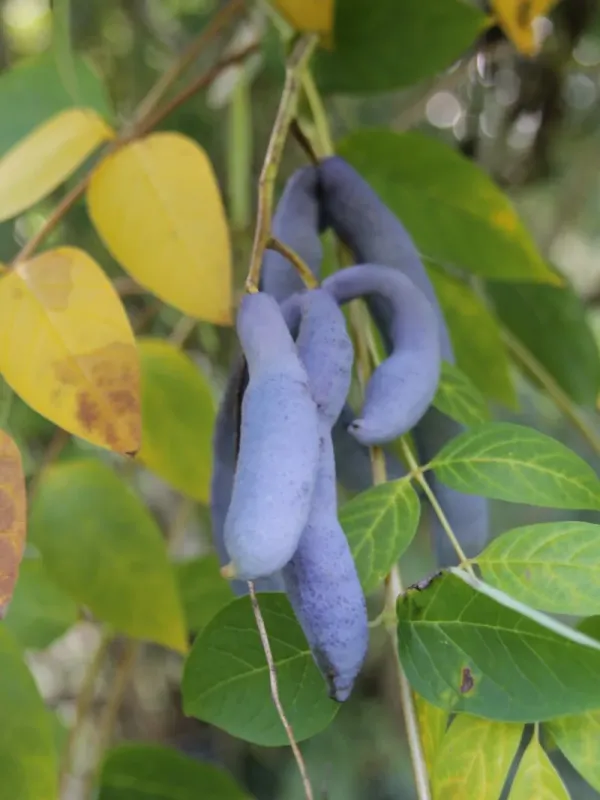
Decaisnea is prized for its unique, blue-grey, sausage-shaped fruits, which reach maturity in late summer to autumn. The translucent, jelly-like pulp inside is sweet and often compared to the taste of honeydew melon or banana.
Yields are dependent on effective cross-pollination. Planting multiple bushes in proximity encourages cross-pollination, which is vital for high fruit set, as some individual plants may have self-incompatibility issues.
The primary use of the fruit is fresh consumption. Due to its unique texture and mild, sweet flavor, it is highly sought after by enthusiasts of rare and exotic fruits, as well as in professional landscape design as a curiosity.
Regular maintenance pruning of dead or crossing branches promotes good airflow and light penetration into the center of the shrub, which directly correlates with healthier and more productive growth over the years.
While not a major commercial crop, Decaisnea offers significant value for niche market growers looking for high-interest, exotic food products that stand out from traditional orchard fruit selections.
Main diseases and pests
Decaisnea is generally robust and suffers from few major pests. However, it can be susceptible to aphids if the plant is stressed or grown in overly crowded conditions, which hinder natural ventilation.
Fungal diseases like powdery mildew may appear during humid, stagnant summers. Managing foliage density through proper spacing and occasional thinning cuts helps prevent the buildup of fungal pathogens.
Root rot is the most common threat caused by poor soil drainage. Ensuring that the planting site has excellent drainage and avoiding deep planting of the root crown is essential for long-term survival.
Slugs and snails can occasionally cause damage to young leaves during spring. Applying physical barriers or using organic-approved molluscicides around the base of the shrub provides effective control.
Maintaining high plant vigor through proper fertilization and watering is the best defense against threats. Healthy plants demonstrate remarkable resilience and quickly recover from minor environmental or pest pressures.
Harvesting
Harvesting should occur when the fruit pods change color from green to a distinct, dull blue-grey. A slight softness when gently squeezed is a key indicator that the fruit is ripe and ready for consumption.
The pods are highly perishable. After harvest, they should be consumed within a few days or stored in a cool place, though even under refrigeration, they do not have a long shelf life compared to harder orchard fruits.
During the harvest process, care must be taken to gently remove the pods without damaging the woody stems or adjacent branches, as the shrub can be somewhat brittle in its structural development.
If the fruit is allowed to over-ripen on the branch, the pod may split open, leaving the pulp exposed and making it vulnerable to birds and other pests, as well as significantly reducing its culinary quality.
Proper harvest logistics involve picking the fruit in the cool early morning hours to minimize heat stress. Packing the pods in padded containers prevents bruising, which is the primary cause of post-harvest deterioration.