
Sinofranchetia
Sinofranchetia
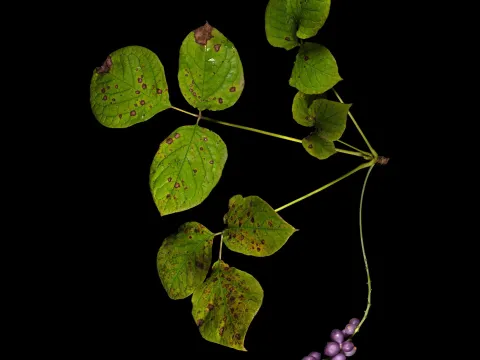
Sinofranchetia chinensis is a unique woody deciduous vine belonging to the Lardizabalaceae family, native to the forested mountain regions of central China.
What the section contains

Sinofranchetia
This plant thrives in partially shaded environments, requiring protection from direct, harsh sunlight which can easily scorch its delicate foliage during peak summer.
The ideal soil for this species is deep, fertile, humus-rich, and well-drained. It requires consistent moisture levels to sustain its rapid vegetative growth.
As a vigorous climber, Sinofranchetia necessitates sturdy structures such as pergolas, trellises, or fences to support its stems, which can extend up to 10 meters in length.
In temperate climates, the plant needs significant winter protection, especially during its establishment phase, as it is susceptible to damage from severe frost.
The fruit of Sinofranchetia is produced in elongated, pendulous clusters, resembling small, fleshy berries that exhibit an attractive appearance when ripe.
The berries are edible, possessing a mild, sweet-tart flavor profile. They are gaining attention among hobbyists who cultivate rare and exotic fruit-bearing vines.
Pollination efficiency is a critical factor for yield. Since the species benefits from cross-pollination, gardeners are advised to plant multiple clones to ensure fruit set.
Annual yields vary significantly depending on the age of the vine, the health of the root system, and the availability of nutrients throughout the growing season.
While primarily cultivated for ornamental purposes, the unique fruit adds a distinctive culinary value to the garden, often consumed fresh.
Harvesting should be timed carefully to coincide with the full maturity of the berries, identified by their softening texture and vibrant skin color changes.
The clusters must be handled with care during the harvest process; they should be picked manually to avoid bruising the soft, pulp-filled fruit.
Due to the high water content and delicate skin, the harvested berries have a short shelf life and should be consumed shortly after they are removed from the vine.
Storage of the gathered crop should be in shallow containers in a cool, ventilated area to prevent fermentation or mold development.
Seeds can be extracted from fully ripened fruits for propagation purposes, though they require a period of cold stratification to break dormancy successfully.
Sinofranchetia is generally resistant to most common garden pests, but it may occasionally suffer from infestations of aphids or spider mites in dry, stressful conditions.
Fungal diseases related to excessive soil moisture or poor air circulation are the primary threats, often manifesting as leaf spots or stem rot.
Proper spacing and regular pruning are essential to maintain airflow within the canopy, which effectively reduces the risk of pathogens settling on the foliage.
Winter damage to the stems can create entry points for secondary infections; therefore, maintaining plant vigor through appropriate fertilization is vital.
Regular inspection during the peak growth season allows for early detection of potential issues, ensuring the long-term health and productivity of the vine.