
Three-leaf akebia
Akebia trifoliata
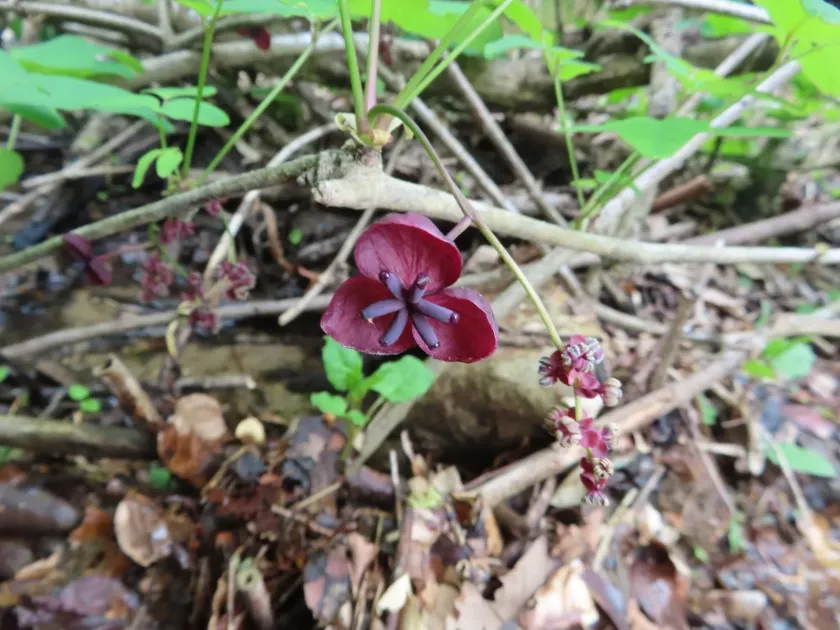
Description
Growing requirements
Three-leaf akebia (Akebia trifoliata) is a semi-evergreen woody vine belonging to the Lardizabalaceae family. It is native to Eastern Asia, specifically China, Japan, and Korea, where it thrives in moist, forested habitats and mountain slopes.
This plant requires fertile, well-draining soil with a neutral to slightly acidic pH. It performs best in partial shade to full sun, provided it has protection from cold, drying winds that can damage its foliage during the winter season.
Agronomic practices include installing sturdy trellises or supports, as the vine can grow up to 10 meters in length. Consistent moisture is essential; the plant should be watered regularly during dry spells to support fruit development and foliage health.
Propagation is typically achieved through cuttings or layering. Seeds require a cold stratification period of several months, making vegetative reproduction the preferred method for commercial and private growers.
The plant has diverse uses, primarily serving as an ornamental vine for covering structures, while its edible, sweet-scented fruits are harvested for fresh consumption and local food products.
Main diseases and pests
Akebia trifoliata is generally robust and relatively resistant to pests and diseases. However, in poorly ventilated or excessively humid conditions, it may become susceptible to fungal infections such as leaf spot.
Aphids can occasionally infest young shoots during the growing season. Maintaining good air circulation and cleaning up leaf litter around the base of the plant are effective cultural control measures.
Root rot is the most serious threat, usually caused by overwatering or soil compaction. Ensuring proper drainage at the planting site is the most important preventative measure against root-related pathogens.
Regular monitoring of the foliage and stems helps in early detection of potential outbreaks. If necessary, horticultural oils or mild systemic fungicides can be used for control.
Environmental stress, such as extreme late frosts, may weaken the plant, making it more prone to secondary infections. Protective mulching in autumn helps maintain root health throughout the dormant season.
Harvesting
The harvest period occurs in late autumn when the fruit pods change color from green to purple and begin to split open naturally along the ventral suture.
Harvesting should be timed carefully. Once the pods open, they are highly perishable and must be gathered promptly to ensure peak flavor and prevent pest contamination.
Fruits are harvested by hand-cutting the stalks with sharp pruners, ensuring that the main stems of the vine are not damaged during the process.
Post-harvest life is limited. Fresh fruit should be processed or consumed shortly after picking, as the texture becomes soft and the flavor profile changes rapidly after exposure to air.
Productivity is variable and highly dependent on cross-pollination. For higher yields, it is recommended to plant multiple clones to ensure effective fertilization of the flowers.