
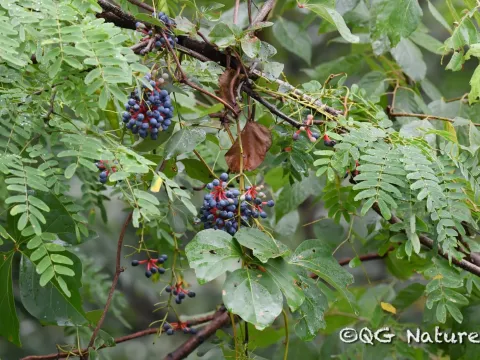
Sargentodoxa
Sargentodoxa
Sargentodoxa (Sargentodoxa cuneata) is a monotypic genus of woody vines belonging to the Lardizabalaceae family. Native to the mountain forests and valleys of central and southern China, this plant thrives in humid and shaded environments.
What the section contains

Sargentodoxa
Successful cultivation of this crop requires a warm temperate or subtropical climate. The plant is sensitive to severe frost, making it suitable for outdoor cultivation only in mild regions, while elsewhere it requires greenhouses or conservatories.
The ideal soil for Sargentodoxa should be deep, loose, and rich in humus, with a neutral to slightly acidic pH level. It demands consistent soil moisture but strictly requires excellent drainage, as the roots are highly prone to rot in waterlogged conditions.
Agrotechnical management involves providing sturdy supports, as the vines are vigorous climbers. The plants prefer dappled shade and must be protected from intense, direct sunlight which can easily scorch the foliage and dry out the root system.
Economically, the plant is valued for its stems, widely used in traditional Chinese medicine for their purported anti-inflammatory and circulatory benefits. It is harvested with careful attention to preserve the medicinal potency of the plant tissues.
Root rot represents the most significant threat to Sargentodoxa, caused primarily by poor soil drainage and excessive irrigation. Regular monitoring of the moisture levels in the root zone is critical to maintaining a healthy specimen.
Insect pests, particularly spider mites and scale insects, frequently target this vine. They thrive in dry air conditions and can cause significant damage to the leaves and young shoots if not managed effectively.
Cultural control measures, such as maintaining proper ventilation and hygiene around the base of the plant, are essential to prevent the spread of fungal spores and discourage pest colonization.
In cases of severe infestation, targeted applications of pesticides or acaricides are required. However, when the plant is grown for medicinal purposes, Integrated Pest Management (IPM) practices are preferred to minimize chemical residues.
Regular inspection of the plant's health, particularly during the humid summer months, helps in early detection of potential outbreaks, ensuring the long-term vitality of the vine.