
Akebia longeracemosa
Akebia longeracemosa
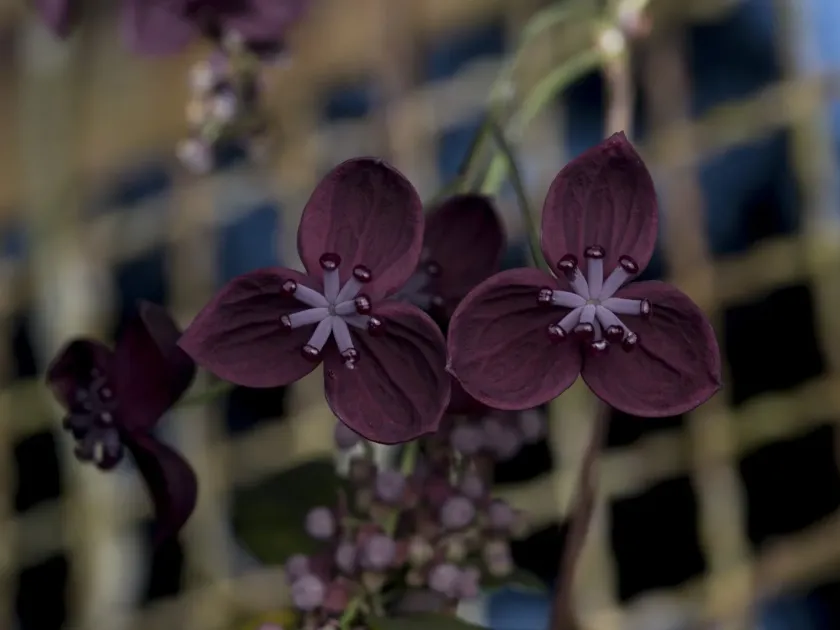
Description
Sowing dates
Propagation of Akebia longeracemosa is typically achieved through seeds, cuttings, or layering. For seed propagation, sowing in late autumn or early winter is recommended to allow for natural cold stratification, which is essential for successful germination.
When starting seeds in spring, they must be pre-chilled in a refrigerator at approximately 5°C for about two months. This mimicking of winter conditions significantly improves the germination rate of the seeds.
When planting seedlings in the garden, choose a site that is sheltered from strong winds but receives plenty of sunlight. The plant performs best when its roots are shaded by surrounding low-growing vegetation or mulch.
Maintain a spacing of at least 2 meters between plants if you are growing them along a long fence or trellis. This distance prevents competition for nutrients and ensures good airflow throughout the foliage.
Immediately after planting, water the sapling thoroughly and apply organic mulch. This moisture-retaining layer protects the young root system during the critical establishment phase in the new environment.
Growing requirements
Akebia longeracemosa belongs to the Lardizabalaceae family and is a vigorous, woody-stemmed vine. It thrives in fertile, well-draining soils with a slightly acidic to neutral pH level.
While the vine prefers full sun, in hotter climates, it benefits from partial shade, particularly during the intense afternoon hours. This protection prevents leaf scorch and soil overheating.
Regular watering is essential, especially during the first few years of growth. The soil should remain consistently moist but never waterlogged, as poor drainage can lead to root rot and other fungal issues.
As a climbing plant, it requires a sturdy support structure like a trellis, arbor, or wire fence. Providing proper support early in the plant's growth cycle prevents the vines from becoming tangled and messy.
Winter care is vital for young vines. In colder regions, wrapping the base or using burlap to protect the stems from severe frost will prevent dieback and promote faster growth the following spring.
Yield
The fruits of Akebia longeracemosa are its most unique feature, often described as having a sweet, mild flavor reminiscent of raspberry or lychee. They are visually striking and become soft as they ripen.
Fruiting typically begins when the plant reaches maturity, usually within 3 to 4 years. For the best crop yield, it is highly recommended to plant at least two different specimens to facilitate cross-pollination.
Beyond the fruit, the plant holds significant ornamental value due to its delicate, vanilla-scented flowers that appear in spring. This makes it a popular choice for both edible landscaping and aesthetic gardening.
Yield depends heavily on the weather during the blooming season. A cool or rainy spring can reduce the activity of pollinators, potentially leading to fewer fruits later in the summer or early autumn.
In various Asian cultures, young shoots and leaves are also harvested and used in culinary applications, such as salads or stir-fries, making the entire plant a versatile addition to an edible garden.
Main diseases and pests
Akebia longeracemosa is naturally quite resistant to most common garden pests and diseases. The plant's vigorous growth habit usually allows it to outcompete weeds and minor pathogen threats.
However, in stagnant or overly humid conditions, the plant may become susceptible to fungal infections like leaf spot. Proper pruning to ensure air circulation is the best preventative measure against these issues.
Occasional infestations of aphids or spider mites can occur, particularly if the plant is stressed by drought. Early detection is key; checking the underside of leaves weekly during dry spells is advisable.
If pests appear, use gentle organic treatments such as neem oil or insecticidal soaps. These methods are effective without harming the beneficial pollinators needed to help the plant set fruit.
Avoid excessive nitrogen fertilizers, as they encourage rapid but weak growth that is more prone to pest attacks and less hardy during winter months.
Harvesting
Harvesting should be done selectively as fruits reach maturity. The primary indicator of ripeness is the natural splitting of the fruit skin and a slight softening to the touch.
Because the fruits are delicate, they should be harvested by cutting the stalk with garden shears rather than pulling them off. Rough handling can easily damage the skin and ruin the fruit.
The harvested fruit is highly perishable and should be consumed within 48 hours of picking. Its shelf life is very short, which is why it is rarely found in commercial markets.
If fruits are harvested slightly under-ripe, they can be kept at room temperature for a day or two to continue the ripening process, provided they are kept in a well-ventilated area.
Always keep the harvested produce away from direct sunlight and store them in a cool, dry place to prevent premature fermentation of the soft, sugar-rich pulp.