
Akebia pentaphylla
Akebia pentaphylla
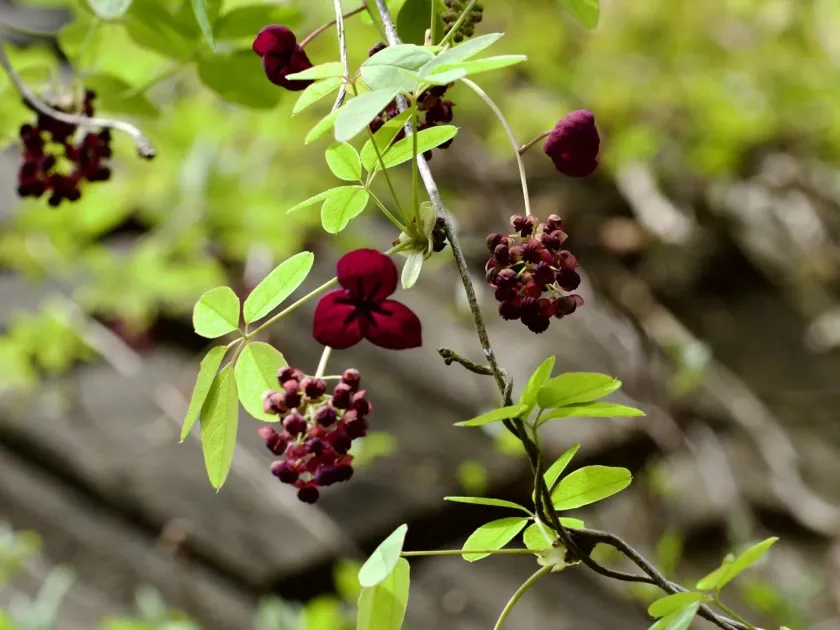
Description
Sowing dates
Akebia pentaphylla is a vigorous woody vine that is typically propagated through vegetative methods such as hardwood cuttings or layering to ensure genetic consistency.
Seed propagation is also possible, although it requires a period of cold stratification for 1-2 months to break dormancy before sowing in a light, well-draining substrate.
When sowing seeds, keep the soil consistently moist and maintain temperatures around 15-20°C to encourage germination, which can sometimes be erratic and prolonged.
The best time to transplant young plants into the garden is during the spring season, after all danger of frost has passed to avoid damaging young, soft growth.
Young vines should be provided with a temporary support structure immediately upon planting to help them establish their climbing habit and protect them from wind damage.
Growing requirements
Akebia pentaphylla belongs to the Lardizabalaceae family and is native to East Asia, thriving in woodland environments with high humidity and moderate temperatures.
The plant requires fertile, well-drained soil with a neutral to slightly acidic pH, and it performs best when provided with ample organic matter such as compost or leaf mold.
While the plant is hardy, it benefits greatly from a sheltered location against a south-facing wall, which provides protection from drying winds and harsh winter temperatures.
Consistent irrigation is vital, especially during dry summer months, to maintain healthy foliage and prevent the plant from shedding its leaves prematurely.
Sturdy trellises or arbors are essential requirements for this vine, as its twining stems can reach several meters in length and require strong support to develop fully.
Yield
The fruit of Akebia pentaphylla is an oblong, purplish-brown berry that splits open when mature to reveal a sweet, edible pulp with a delicate raspberry-like flavor.
Yield varies significantly based on cross-pollination; therefore, planting multiple specimens of the same species increases the likelihood of a successful fruit set.
While often grown for its ornamental foliage and fragrant flowers, the fruit offers a unique culinary ingredient suitable for desserts, smoothies, and raw consumption.
The flexible, woody vines have historical and economic significance in some regions, where they are harvested and utilized in traditional basketry and weaving crafts.
Proper pruning after the flowering season can enhance both the ornamental value and the potential yield by stimulating the growth of new, fruit-bearing lateral shoots.
Main diseases and pests
Akebia pentaphylla is remarkably resistant to most garden pests and diseases, making it a low-maintenance choice for sustainable and organic garden landscapes.
Waterlogging is the primary threat to this species, as it can cause root rot; thus, ensuring adequate drainage in the planting site is the most important preventative measure.
Under conditions of poor air circulation or extreme heat stress, spider mites may appear on the foliage, which can be managed with periodic misting or horticultural soaps.
Routine inspection for fungal spots on leaves during wet seasons is recommended, although systemic treatment is rarely required if the plant is sited correctly.
Deadheading or removing damaged, weak growth in early spring helps maintain the overall health of the plant and prevents the spread of opportunistic infections.
Harvesting
Harvesting usually takes place in late autumn when the fruit skins turn a deep purple and naturally begin to crack open along the ventral seam.
The fruit should be picked promptly once the cracks appear to ensure optimal flavor and to prevent the seeds from being lost or consumed by garden wildlife.
Since the fruits have a short shelf life, it is recommended to consume them soon after harvest or store them in a cool environment for a very limited time.
Pruning shears should be used to remove the fruit-bearing stems carefully to avoid damaging the vine structure, which is crucial for the following year's growth.
The pulp is best enjoyed fresh, but it can also be incorporated into artisanal jams or jellies to preserve its unique, subtle sweetness for later use throughout the winter.