
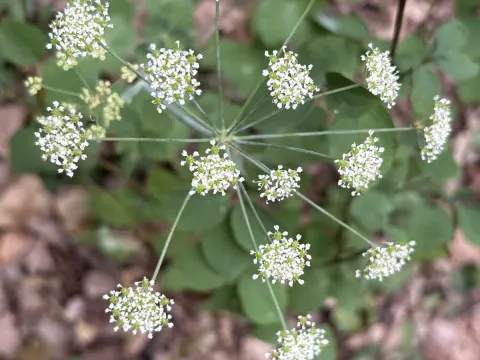
Laser
Laser Borkh. ex G. Gaertn. et al.
Sowing of the Laser culture is typically carried out in early spring or before winter, as the seeds require natural stratification for uniform germination. The optimal sowing time is April, once the soil warms up to 10-12 degrees Celsius.
What the section contains

Laser
The sowing depth is 1-2 cm, depending on the soil composition. Due to the slow development of seedlings in the initial period, it is crucial to ensure the field is free of weeds.
The planting scheme involves row spacing of 45-60 cm, which facilitates subsequent care and mechanized maintenance. The seed rate is calculated based on the germination rate of the specific seed batch.
For better seedling quality, pre-soaking seeds in growth stimulants is recommended. During winter sowing, seeds are distributed in furrows before the onset of persistent frosts to prevent premature germination.
An important condition is the use of fresh seeds, as the planting material of the Laser genus quickly loses its viability when stored in warm conditions.
The plant belongs to the Apiaceae family and prefers well-drained, calcareous, or rocky soils. The culture is highly sensitive to moisture stagnation and heavy clay substrates.
The optimal location for cultivation is an open, sun-exposed area. While Laser can tolerate partial shade, intensive solar radiation is required for the accumulation of essential oils.
The plant is highly drought-resistant; however, in the first year of life, while forming a leaf rosette, it requires moderate watering. As the root system develops, the need for external moisture decreases.
The temperature regime should be moderate; the culture can withstand both minor spring frosts and hot summer periods, provided the deep taproot is sufficiently developed.
The soil pH should be close to neutral or slightly alkaline. Incorporating organic matter during autumn plowing significantly increases the productivity potential of the plant during the active growing season.
The yield of above-ground biomass and seeds directly depends on soil fertility and agricultural management. With proper care, the crop forms a powerful rosette of basal leaves and flowering stems.
Economic value lies not only in seed harvesting but also in the extraction of essential oils from various plant parts. In industrial conditions, raw material output varies depending on the age of the plantation.
Maximum biomass harvest is observed in the second or third year of the plant's development, once it has fully adapted to the site conditions. Periodic inter-row loosening promotes root mass growth.
Under intensive cultivation, it is important to monitor the development of generative shoots, as excessive flowering may weaken the root. Controlled removal of some flower stalks allows for the redirection of the plant's energy.
To stabilize productivity, it is recommended to plant the crop in plots with a crop rotation system where cereals or legumes, which enrich the soil with micronutrients, were grown previously.
The main danger to the culture is posed by fungal diseases that develop under conditions of high humidity or poor ventilation. Powdery mildew often affects the leaves during prolonged rainy periods.
Root rot is a serious threat when choosing a site with high groundwater levels. The disease leads to the rapid death of the rosette, making proper drainage essential.
Among pests, aphids and Apiaceae-specific bugs that suck sap from young inflorescences are the most dangerous. Regular monitoring of the crop status allows for timely biological protection measures.
Larvae of certain fly species can damage roots and stems, affecting the overall plant development. Spatial isolation from wild representatives of the same family is highly recommended.
Disease prevention includes the use of high-quality disinfected seeds and maintaining optimal planting density to ensure proper airflow through the crops.
Harvesting of the above-ground part is carried out during mass flowering when the concentration of essential oils in the tissues reaches its peak. Cutting is performed in dry weather, preferably in the morning after dew has evaporated.
Seeds are harvested as they ripen to prevent excessive shedding. Since the ripening of umbels occurs unevenly, selective harvesting in multiple stages is preferred.
After collection, the plant material is dried in the shade under well-ventilated conditions. It is important not to overheat the raw material to preserve the valuable biologically active components of the plant.
If harvesting roots for specific purposes, work is conducted in late autumn, when the plant's vegetation ceases and nutrients are concentrated in the underground part.
Storage of the dried harvest should be in airtight containers, in a cool, dark place to prevent the degradation of essential oils and active compounds.