
Prostanthera incana
Prostanthera incana
Description
Growing requirements
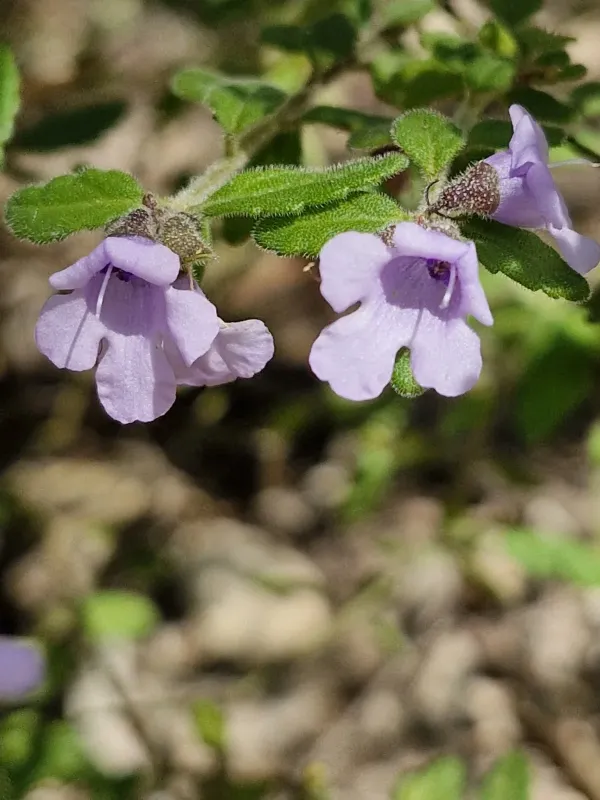
Prostanthera incana, commonly known as a type of mint bush, is an evergreen shrub belonging to the Lamiaceae family. Native to Australia, this plant is highly regarded in horticulture for its aromatic foliage and its ability to produce an abundance of colorful flowers.
The botanical structure of the plant features dense branches covered in fine, greyish hairs, which protect the plant and give it a unique aesthetic appeal. The leaves are rich in essential oils, releasing a pleasant, mint-like fragrance when crushed or handled.
For optimal growth, this species requires well-draining soil with a slightly acidic to neutral pH. Proper soil composition is essential, as the roots are sensitive to waterlogging, which often leads to rapid decay in containerized or garden-grown specimens.
Environmental conditions play a crucial role in cultivation. The plant thrives in bright, indirect light and prefers temperate climates. It is sensitive to frost and extreme cold, requiring protection or indoor housing in areas where temperatures drop below freezing.
Its primary use is in ornamental landscaping and container gardening. Due to its compact growth habit and showy blooms, it serves as an excellent decorative element in conservatory gardens or patio arrangements, adding both color and texture.
Main diseases and pests
The most significant threat to Prostanthera incana is root rot caused by fungal pathogens such as Phytophthora, which thrive in waterlogged, poorly aerated soil. Prevention focuses on strict irrigation control and providing excellent drainage.
Powdery mildew is a frequent issue if the plant is kept in humid conditions with poor air circulation. This fungal disease creates a white, dusty layer on the leaves, which can hinder photosynthesis and reduce the plant's overall vitality.
Spider mites represent the main pest concern, especially when the plant is kept in environments with low humidity. These pests feed on the underside of the leaves, potentially causing yellowing and leaf drop if left unaddressed for too long.
Aphids can also occasionally infest the fresh, tender shoots during the spring growth season. Regular monitoring and, if necessary, the application of insecticidal soaps or systemic pesticides are effective ways to manage these populations.
Maintaining plant health requires a combination of good horticultural practices, including regular pruning to remove dead or diseased wood. This ensures better airflow and vigor, helping the plant resist common environmental stressors more effectively.