
Prostanthera
Prostanthera hybrids
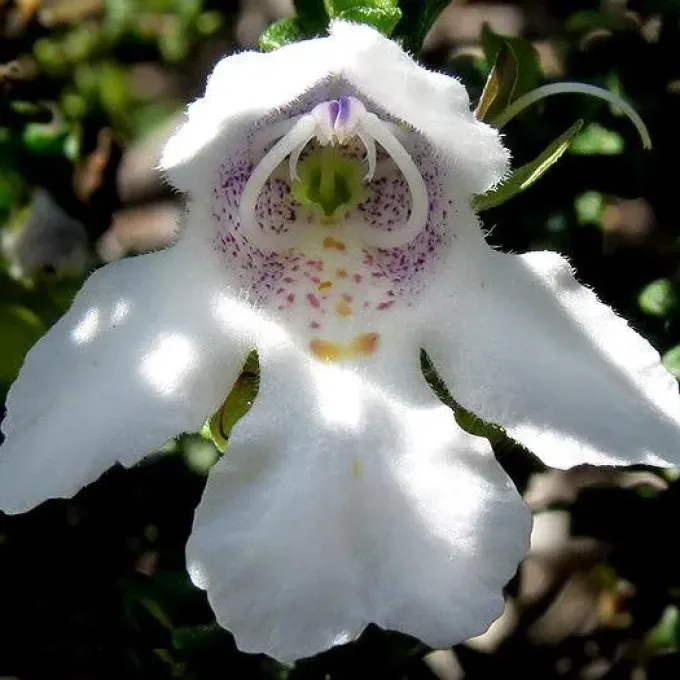
Description
Growing requirements
Prostanthera, commonly known as the mint bush, is a genus belonging to the Lamiaceae family. These evergreen shrubs are native to Australia and are highly valued for their aromatic foliage and profuse, bell-shaped flowers.
In terms of origin, Prostanthera species thrive in a range of environments from coastal to mountain regions. In cultivation, they are primarily grown in containers in non-temperate zones, requiring protection from frost during the winter months.
Prostanthera requires well-drained, slightly acidic soil to thrive. Proper drainage is essential, as the roots are sensitive to waterlogging, which often leads to rapid decline and mortality of the shrub.
The plant prefers full sun to partial shade. When grown indoors or in greenhouses, adequate ventilation is critical to ensure the foliage remains healthy and to prevent the buildup of stagnant, humid air around the plant.
Cultivation practices involve regular pruning after the flowering period. This helps to maintain a dense, bushy habit and encourages more prolific blooming for the following season, enhancing its aesthetic appeal.
Main diseases and pests
The most common threat to Prostanthera is Phytophthora root rot, which is triggered by poor drainage and excessively wet soil conditions. Ensuring a sterile environment and good air circulation is key to prevention.
Spider mites are a persistent problem in indoor environments with low humidity. Monitoring the underside of leaves for fine webbing is a standard agricultural practice for early detection and mitigation of infestations.
Powdery mildew can infect leaves during humid and overcast weather. Using fungicidal sprays and improving the spacing between plants can significantly reduce the incidence of this fungal disease.
Aphids often target new, succulent growth. Integrated pest management, including biological controls or targeted applications of insecticidal soaps, is highly effective in controlling these sucking insects.
Scale insects may colonize woody stems, draining the plant's vitality. Regular inspection and localized treatment with horticultural oils are recommended to keep the shrub free from these persistent pests.