
Alpine mint bush
Prostanthera cuneata
Description
Growing requirements
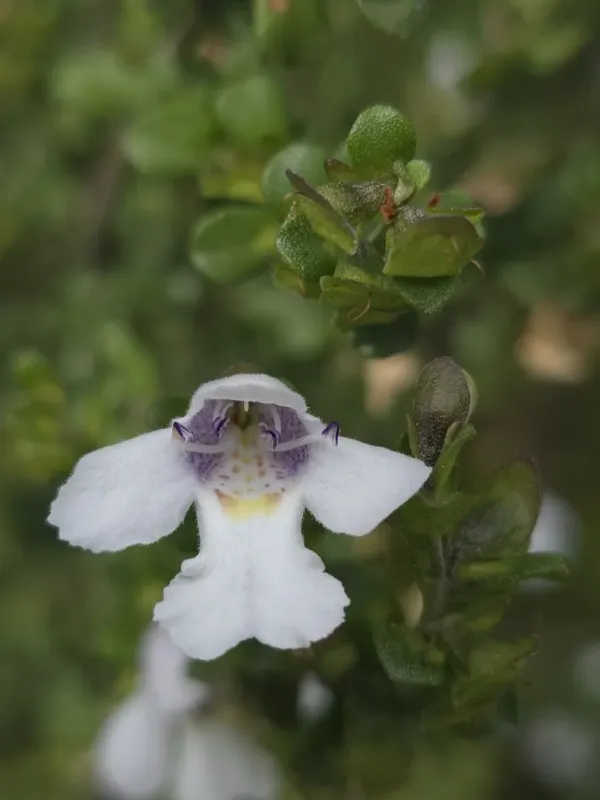
The Alpine mint bush (Prostanthera cuneata) is an aromatic evergreen shrub belonging to the Lamiaceae family. Native to the mountainous regions of Australia, this species is well-adapted to cool, high-altitude climates and rocky soils.
The plant features small, dark green, leathery leaves that emit a strong, mint-like fragrance when bruised. It typically grows into a dense, rounded mound, reaching approximately one meter in height and width, making it an excellent candidate for ornamental landscaping.
For optimal growth, the species requires well-drained soil that mimics its native habitat. It thrives in locations with full sun to partial shade. Ensuring good soil aeration is crucial to prevent the root system from suffocating or rotting.
Regarding climate, the plant prefers cool to moderate temperatures. While it can withstand occasional frost, it is essential to protect it from extreme heat and dry winds, which can lead to stress and leaf burn during the summer months.
The agricultural management of this crop involves minimal pruning to maintain shape and the removal of spent flowers to encourage further growth. Fertilizer application should be light, as high-nutrient soils can cause excessive vegetative growth at the expense of floral display.
Main diseases and pests
The most significant threat to the Alpine mint bush is root rot, typically caused by waterlogged soil conditions. Improving drainage through the addition of grit or sand is the most effective preventative measure against this physiological and pathological issue.
Pests are generally not a major concern; however, aphids and spider mites can occasionally infest the foliage, particularly in sheltered or poorly ventilated environments. Maintaining adequate spacing between plants significantly reduces the risk of such infestations.