
Przewalski's sage
Salvia przewalskii
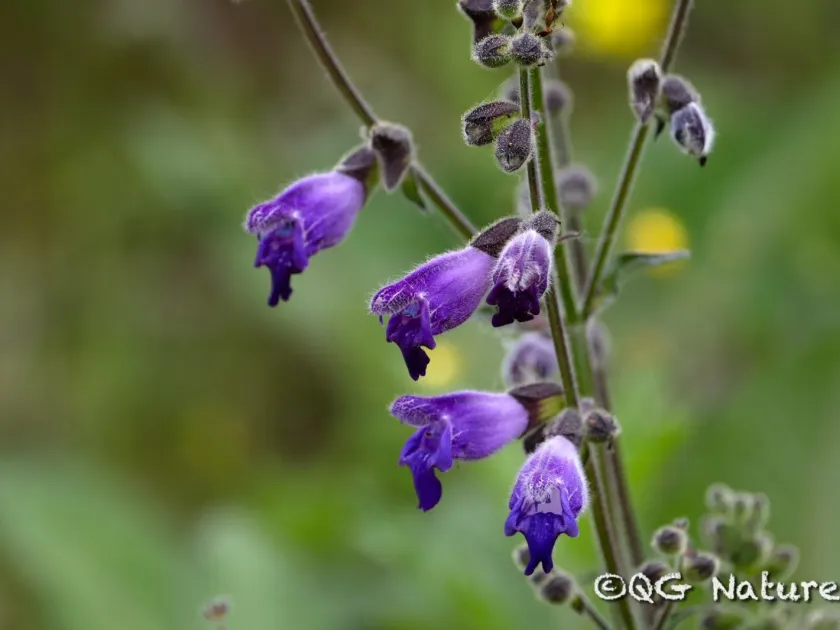
Description
Sowing dates
Przewalski's sage is a perennial herbaceous plant belonging to the Lamiaceae family. Sowing is mainly carried out in the spring, once the soil has warmed up to 10-12 degrees Celsius, or before winter in prepared beds.
To obtain seedlings, seeds are sown in containers in late March, ensuring they have stable moisture and diffused light. Germination usually occurs 14-20 days after sowing, provided that temperature conditions are maintained.
Transplanting strong seedlings into open ground is carried out at the 3-4 true leaf stage. The distance between plants should be at least 40-50 centimeters to ensure adequate air circulation.
With the direct sowing method, it is important to ensure the top layer of soil does not dry out in the first weeks of seedling development. The crop is characterized by slow growth in its first year, thus requiring diligent weed control.
Propagation is also possible vegetatively, through division of the bush in spring or by cuttings in summer. This allows for faster development of robust plants ready to bloom within the current season.
Growing requirements
Native to the mountainous regions of China, the plant is highly adaptable to a temperate continental climate. Przewalski's sage prefers sunny, sheltered areas protected from strong winds with good exposure to light.
The crop has moderate soil requirements, preferring light, well-drained loam or sandy loam. Water stagnation in the root zone is a critical factor leading to the decay of the root system.
Optimal soil acidity for normal plant development is in the pH range of 6.0-7.5. It is recommended to apply organic fertilizers, such as humus or compost, immediately before spring soil preparation.
During the active growing season, the crop needs regular but moderate watering. Water requirements increase during dry spells, especially during the formation of flower stalks and rapid foliage growth.
The plant demonstrates good winter hardiness, although in severe snowless winters, young plantings benefit from light cover with spruce branches or mulching the root zone with peat to prevent freezing.
Main diseases and pests
The main threat to this crop is posed by fungal diseases that thrive in high humidity conditions. Powdery mildew often affects sage leaves in dense plantings with poor ventilation.
Root rot is a dangerous ailment caused by excessive soil moisture. To prevent this, it is essential to follow a strict watering regime and ensure high-quality drainage in the cultivation area.
Among pests, spider mites and aphids are the most frequent, feeding on the juices of young shoots. In cases of mass infestation, the use of biological insecticides or soap solutions is recommended.
Slugs and snails may damage tender foliage during rainy weather, reducing the plant's decorative appeal and productivity. Barrier methods or special pellets are effective for their control.
Maintaining crop rotation is a mandatory requirement for protection against soil-borne pathogens. It is not recommended to plant sage in areas where other members of the Lamiaceae family have been grown previously.