
Pratt's catnip
Nepeta prattii
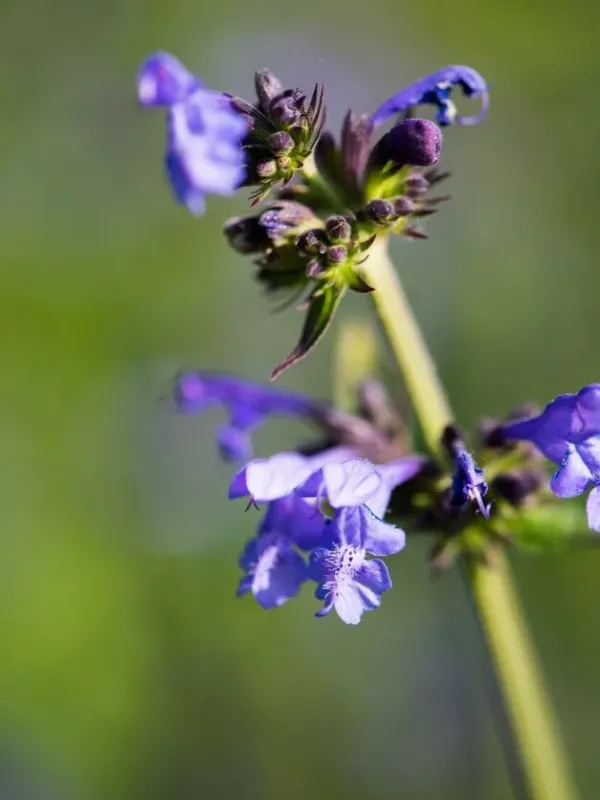
Description
Sowing dates
Sowing Pratt's catnip seeds is best performed in the spring when soil temperatures reach 8–10 degrees Celsius. Seeds should be sown at a shallow depth of approximately 1–1.5 centimeters to ensure optimal germination and strong seedling growth.
For a more controlled start, using seedling trays in late March is recommended. Once the threat of frost has passed, usually in mid-May, the young plants can be transplanted into the open field to establish the plantation.
Spacing is a critical factor for healthy plant development. Plants should be placed 30–40 centimeters apart within rows, with inter-row spacing of 60–70 centimeters. This layout allows for adequate air circulation and easy maintenance.
Seedbed preparation is essential due to the small size of the seeds. The soil surface should be finely textured, level, and entirely free of weeds to prevent the young seedlings from being outcompeted during the early stages.
Autumn sowing is a viable alternative in milder climates. This process naturally stratifies the seeds and can lead to earlier and more vigorous germination in the following spring as soon as temperatures permit.
Growing requirements
Pratt's catnip is a resilient perennial member of the Lamiaceae family that thrives in sunny, open environments. Exposure to full sunlight is necessary to maximize the concentration of aromatic essential oils in the foliage.
While the plant is adaptable to various soil types, it performs best in well-drained sandy loams or loamy soils. Stagnant water around the root zone must be avoided at all costs, as it often leads to root decay and plant death.
This species is highly drought-tolerant, making it well-suited for cultivation in semi-arid regions. Once established, its deep root system allows it to access subsoil moisture effectively throughout the growing season.
The ideal soil pH for Nepeta prattii ranges from 6.0 to 7.5. On acidic soils, liming is recommended to adjust the pH, which improves the availability of essential nutrients and enhances overall plant health.
Native to the mountainous regions of China, Pratt's catnip is highly tolerant to fluctuating temperatures and winter cold. It requires no special protection during the winter, which reduces management costs for the producer.
Yield
The yield of green matter for Pratt's catnip depends heavily on the age of the stand and the quality of agricultural management. Productivity typically peaks during the second and third years of the plant's life.
On average, the harvest of dried raw material per hectare can reach several hundred kilograms. With proper fertilization and regular moisture monitoring, producers can achieve high-quality yields rich in biologically active compounds.
Harvesting timing is the most important factor in determining the quality of the essential oils. The plants should be harvested during the peak flowering stage to ensure the highest chemical profile for medicinal or aromatic use.
Balanced fertilization, particularly with phosphorus and potassium, supports strong vegetative growth and flower development. Excessive nitrogen application should be avoided as it can lower the concentration of secondary metabolites.
Beyond its value as a raw material, the crop serves as an excellent pollinator-friendly resource. Long flowering periods make it highly attractive to bees, contributing to higher honey production in adjacent apiaries.
Main diseases and pests
Fungal diseases, especially root rot, represent the most significant threat to Pratt's catnip, particularly in waterlogged soils. Ensuring excellent drainage is the primary method for mitigating these risks.
Powdery mildew can occur during periods of high humidity and poor air circulation. Management practices such as thinning the stands help ensure that air moves freely between plants, reducing the risk of fungal outbreaks.
Leaf-eating insects can occasionally cause damage to the foliage. Regular monitoring of the field allows for early detection, enabling producers to manage pests before they reach an economic damage threshold.
Weed control is vital during the establishment phase. Because catnip seedlings grow slowly at first, mechanical or manual weeding in the rows is necessary to prevent competition for nutrients and sunlight.
An integrated pest management approach is best for this crop. Since the plant is frequently used in wellness and cosmetic industries, chemical interventions must be strictly limited to maintain product purity.
Harvesting
Harvesting is ideally conducted during mass blooming, when the plant's essential oil content is at its peak. Using specialized mowing equipment allows for efficient harvesting across larger field areas in a short time.
Mowing should leave a stubble height of about 10–15 centimeters. This ensures the survival of the crown and facilitates healthy regrowth for future harvests within the same or subsequent seasons.
Post-harvest handling is critical; сырье should be dried immediately at temperatures not exceeding 40 degrees Celsius. Higher temperatures may cause the loss of volatile aromatic oils, reducing the product's market value.
Storage should take place in a cool, dry, and dark environment to maintain the quality of the dried material. Paper bags or bulk containers that allow for some ventilation are preferable for long-term storage.
Maintaining high purity standards during the harvest is essential. Producers should carefully monitor the harvesting process to avoid including soil, debris, or other plant species, ensuring a premium-grade final product.