
Origanum bilgeri
Origanum bilgeri
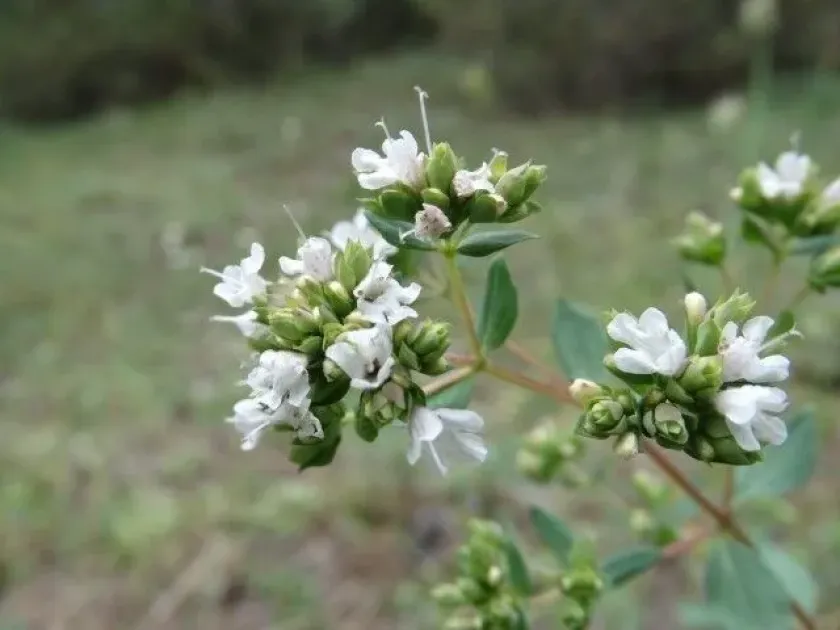
Description
Growing requirements
Origanum bilgeri is a perennial herbaceous plant belonging to the Lamiaceae family. It is an endemic species primarily found in the rocky and mountainous regions of Turkey. Due to its natural habitat, the plant is highly adapted to challenging environmental conditions and poor soil quality.
For successful cultivation, this species requires well-drained soil with a neutral to slightly alkaline pH. Sandy or stony soils that prevent water retention are ideal, as the root system is susceptible to decay if kept in constantly moist or waterlogged environments.
High solar radiation is essential for the healthy development of this plant. It should be grown in full sun exposure to ensure the proper biosynthesis of essential oils, which define its aromatic and medicinal value. Shade-grown specimens typically show reduced growth vigor and lower oil content.
The plant demonstrates significant drought tolerance once established, making it suitable for regions with Mediterranean-type climates. It requires minimal intervention, provided it has protection from excessive moisture and strong, freezing winter winds that might damage young, tender stems.
Economically, Origanum bilgeri is valued for its unique phytochemical profile. It is often investigated for potential medicinal applications and is utilized in the essential oil industry. Its botanical resilience makes it a valuable candidate for xeriscaping and sustainable herb production projects.
Main diseases and pests
The most common health issues for Origanum bilgeri are related to fungal pathogens, particularly when the drainage is insufficient. Root rot and damping-off caused by soil-borne fungi like Rhizoctonia are major threats that can lead to rapid plant mortality in a plantation.
Powdery mildew represents a significant risk during periods of high humidity and poor air circulation. The white fungal growth on leaves reduces the photosynthetic capacity of the plant and diminishes the overall quality of the harvested biomass.
Among the insect pests, spider mites are the most frequent culprits, especially during hot and dry spells. These mites feed on the sap, causing chlorosis and potentially stunting the growth of the aromatic herb if not managed properly.
Aphids can also congregate on tender shoots during the spring growth phase. While their feeding damage might be minor individually, they often act as vectors for viruses, which can lead to systemic diseases within the plant population.
Integrated pest management (IPM) is strongly recommended for this crop. Strategies should include proper spacing to improve airflow, the use of biological control agents for mite suppression, and strict monitoring to prevent the spread of diseases during the vegetative growth cycle.