
Orthosiphon serratus
Orthosiphon serratus
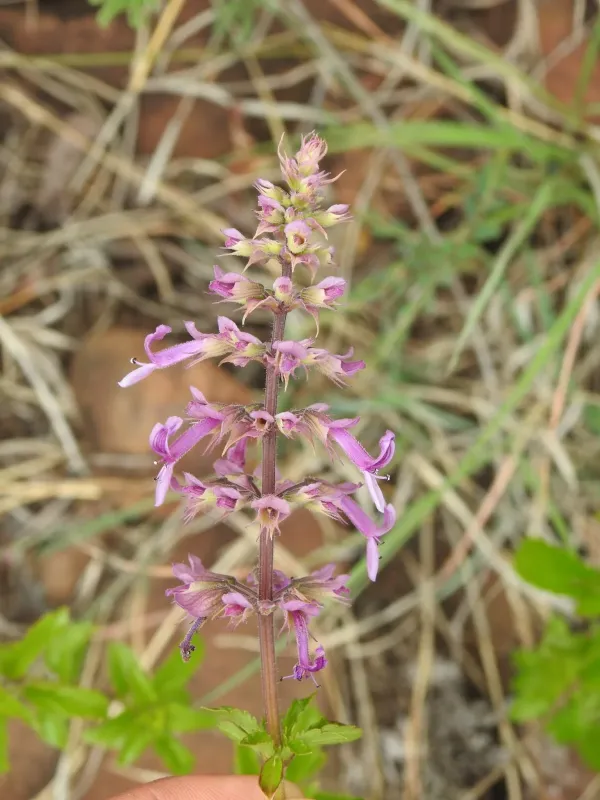
Description
Sowing dates
Orthosiphon serratus is a perennial herb belonging to the Lamiaceae family. It is valued for its specific medicinal properties, which necessitates high standards of agricultural cultivation to ensure quality raw materials.
Propagation is primarily achieved through seeds, which are sown in greenhouse conditions in late winter to early spring. A stable temperature of 20–25 degrees Celsius is essential for successful germination.
Seedlings are transplanted to the field only after the risk of frost has completely passed. The plant is sensitive to thermal stress, requiring careful acclimatization before being moved outdoors.
Planting density is structured to allow for mechanized weeding and efficient harvesting. Rows are typically spaced 60–70 centimeters apart to promote airflow between the plants.
Proper field establishment requires consistent irrigation during the first few weeks after transplanting to facilitate root system development in the new soil environment.
Growing requirements
The plant thrives in sunny locations with well-drained, fertile soil. Excessive shade is detrimental, as it lowers the concentration of active medicinal components in the leaves.
Loamy, nutrient-rich soils with a neutral pH level are preferred for optimal growth. Good soil aeration is crucial to prevent root zone suffocation and subsequent decay.
Water management is the most critical aspect of agronomy for this species. While it requires consistent moisture, waterlogging must be avoided at all costs to prevent fungal infections.
Balanced fertilization is necessary to support biomass production. Excessive nitrogen can lead to rapid growth but may negatively affect the accumulation of valuable secondary metabolites.
High air humidity combined with warm temperatures creates an ideal environment for vegetative growth, though adequate ventilation is necessary to prevent pathogenic outbreaks.
Yield
The harvest frequency depends on the climate and management practices, with multiple cuts possible during a single long growing season if the plants are well-tended.
Productivity is highest during the plant's second and third years. After this period, the concentration of active substances and the overall vigor of the plants tend to decrease.
Commercial yields are measured by the weight of dried aerial parts, including both stems and leaves harvested at their peak vegetative or early flowering stage.
Effective plantation management includes timely removal of old or damaged plants to ensure the space is utilized by more productive, younger specimens.
Typical yields vary widely based on regional conditions, ranging from 1.5 to 2.5 tons of dried raw material per hectare under optimal professional management.
Main diseases and pests
The primary threats include root rot and powdery mildew, which thrive in poorly managed, overly wet soil conditions or stagnant air environments.
Pests such as aphids and spider mites can infest the crop during dry spells. These organisms target the tender young leaves, reducing both yield and quality.
Integrated pest management strategies are essential, as the use of harsh chemical pesticides is often restricted or prohibited due to the plant's medical end-use.
Prevention relies on crop rotation, using high-quality seeds, and strict adherence to moisture control, which serves as the best defense against fungal pathogens.
- Regular monitoring of foliage.
- Sanitary removal of infected plant debris.
- Use of mulch to manage soil surface moisture.
Harvesting
Harvesting is performed by cutting the upper portions of the stems, usually 10–15 centimeters above the soil surface, during the peak of the flowering phase.
It is recommended to harvest during dry, early morning hours after the dew has evaporated, which ensures the raw material has minimal external moisture.
Immediate processing is required to maintain quality. The harvested material must be cleaned of impurities and transported quickly to the drying facility.
Drying should take place in shaded, well-ventilated areas or specialized ovens at temperatures not exceeding 40 degrees Celsius to preserve volatile oils.
Properly cured raw material should retain a vibrant green color and a characteristic mild scent, ensuring the stability of its medicinal properties throughout storage.