
Orthosiphon spiralis
Orthosiphon spiralis
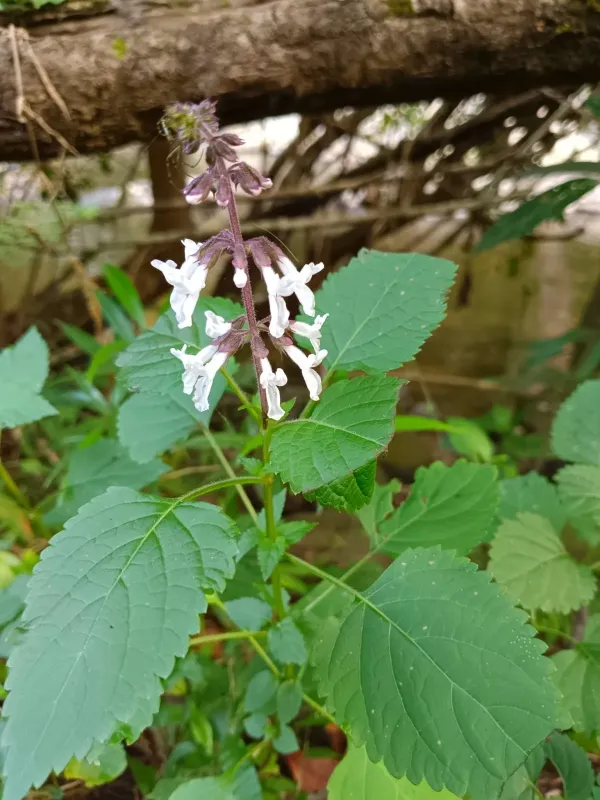
Description
Sowing dates
Orthosiphon spiralis is a tropical perennial that requires warm temperatures throughout its growth cycle, often necessitating greenhouse propagation in colder regions.
Seeds should be sown in a sterile, well-draining peat-based medium, maintaining a consistent soil temperature of approximately 25 degrees Celsius for germination.
Stem cuttings are an alternative, highly efficient method of propagation, where 10–15 cm segments are rooted in vermiculite or perlite under high humidity.
Transplanting into final containers or field plots must occur only after all risk of frost has passed, as the plant is highly sensitive to cold stress.
Proper spacing is crucial to ensure adequate airflow, which is essential for minimizing fungal outbreaks and promoting uniform development of the foliage.
Growing requirements
As a member of the Lamiaceae family, this species thrives in full sunlight, which maximizes the accumulation of secondary metabolites within its leaves.
The ideal soil profile is a light, fertile loam with a slightly acidic to neutral pH, allowing for excellent drainage and minimal risk of root asphyxiation.
Consistent moisture levels are mandatory for optimal biomass production, as drought stress can lead to premature leaf drop and reduced medicinal efficacy.
The plant performs best in environments with high ambient humidity, making frequent monitoring of irrigation and transpiration rates a core agronomic task.
Supplementary fertilization with balanced NPK nutrients, applied during the vegetative growth phase, significantly boosts the plant's overall vigor and yield.
Main diseases and pests
Spider mites are a common challenge in controlled environments, especially when air humidity levels are allowed to drop below the threshold for plant comfort.
Aphids often target new, succulent growth at the tips of the stems, leading to chlorosis and stunted development if not managed promptly.
Root rot, driven by poor drainage and waterlogged soil conditions, remains the most significant threat to the survival of the plant in intensive production.
Whiteflies can pose a management difficulty in greenhouse settings, requiring integrated pest management strategies to protect the crop without using harsh chemicals.
Regular sanitation, such as removing fallen leaves and pruning infected parts, is vital to prevent the spread of diseases and maintain a healthy plant population.
Harvesting
Harvesting primarily involves the selective clipping of apical shoots and terminal leaves, which contain the highest concentration of active therapeutic compounds.
The most favorable harvest period occurs at the onset of flowering, as this timing provides the perfect balance between raw biomass quantity and compound quality.
Post-harvest processing involves rapid drying in a climate-controlled, shaded area to prevent the evaporation of essential volatile oils and leaf degradation.
Once dried, the botanical material should be stored in opaque, airtight containers kept in a cool and dry environment to ensure long-term shelf stability.
Continuous harvesting throughout the season encourages the bush to produce more lateral shoots, maximizing the total harvestable output per individual plant.