
Panzerina
Panzerina Soják
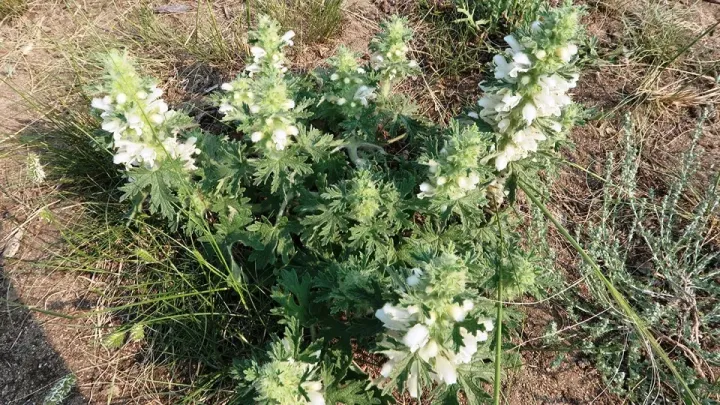
Description
Sowing dates
Sowing is typically conducted in early spring once soil temperatures reach 8–10 degrees Celsius. Crucial for uniform germination is adequate soil moisture in the top horizon, which often requires pre-sowing irrigation in arid agricultural zones.
Seed planting depth generally ranges from 1 to 2 centimeters depending on soil texture. In lighter, sandy substrates, slightly deeper sowing is recommended to prevent embryo desiccation during the initial germination phase.
The sowing pattern is tailored to the intended method of inter-row cultivation, with row spacing of 45 centimeters being optimal. This provides sufficient space for root nutrition and solar exposure for each plant.
Utilizing precision seeders minimizes seed waste and reduces the labor required for subsequent thinning. Seedlings typically emerge within 12–18 days post-sowing, provided that optimal thermal conditions are maintained.
For establishing stable stands in temperate climates, late-autumn sowing is practiced. This allows seeds to undergo natural winter stratification, triggering immediate growth once the snow cover melts.
Growing requirements
Panzerina belongs to the Lamiaceae family and prefers well-drained, fertile soils with a neutral to slightly alkaline pH. The plant is highly sensitive to waterlogging, making fields with high water tables unsuitable for commercial production.
As a light-loving species, it achieves the best yields in open, well-lit sites. Excessive shading leads to stem elongation and a significant reduction in the concentration of secondary metabolites in the foliage.
Optimal growth temperatures range between 20–25 degrees Celsius. While possessing moderate drought tolerance, the crop requires regular irrigation during the active stem-forming stage to ensure a robust leaf rosette.
Mineral nutrition should be balanced, focusing on phosphorus and potassium to strengthen cell walls and increase winter hardiness. Nitrogen applications must be controlled to avoid excessive green mass growth at the expense of quality.
The crop thrives in loam and sandy-loam soils rich in organic matter. Regular inter-row cultivation is essential to maintain soil aeration, ensuring oxygen availability for the root system throughout the growing season.
Yield
Yields are highly dependent on the level of agronomic care and specific climate conditions. Under intensive management practices, dried herb yields can reach 15–20 centners per hectare.
Harvesting is performed during the peak flowering phase, as this is when the concentration of beneficial essential oils and flavonoids is at its maximum. This timing is critical for ensuring the economic viability of the enterprise.
To maximize biomass production, timely top-dressing is recommended, starting from the second true-leaf stage and concluding at the budding phase. Nutritional deficits during these periods can drastically reduce the total harvest volume.
The frequency of harvesting per season typically ranges from one to two cuts, depending on the intensity of vegetation. The second cut should occur no later than August to allow plants sufficient time to prepare for dormancy.
Harvest quality is assessed based on the content of volatile oils and medicinal compounds. Adherence to gentle drying technologies, including shading and proper airflow, is vital for maintaining product value.
Main diseases and pests
Key threats include fungal diseases like root rot and powdery mildew, which thrive in conditions of high humidity. Preventive measures such as strict crop rotation are essential to minimize pathogen buildup in the soil.
Pests such as aphids and thrips can cause significant damage to young plants by feeding on sap and hindering growth. Integrated pest management using eco-friendly bio-pesticides is the preferred control method.
Weeds pose a major threat during the early growth stages when the crop develops slowly. Regular weeding is mandatory to prevent competition for limited water and nutrient resources.
Slugs and snails may damage young shoots, particularly during wet seasons. Farmers often use barriers such as sand or wood shavings around plots to deter these mollusks effectively.
Viral infections transmitted by insect vectors can cause leaf deformation and reduced plant vigor. Utilizing certified, disease-free seed and maintaining spatial isolation from wild Lamiaceae are standard prophylactic measures.
Harvesting
Harvesting is mechanized using specialized harvesters calibrated to specific cutting heights to avoid damaging the root crown. Operations must occur in dry weather to prevent moisture-induced spoilage during transit.
Harvested biomass should not remain in windrows for extended periods, as this causes volatile oil loss and leaf discoloration. Immediate transportation to the processing facility is standard practice.
Drying is conducted at temperatures not exceeding 40 degrees Celsius to preserve thermosensitive active compounds. Excessive heat in drying units can significantly lower the therapeutic value of the final herb.
Post-drying, the herb undergoes mechanical cleaning to remove debris using air-separation systems. This ensures the product meets stringent industry standards for purity and quality.
Storage of the finished product requires cool, dark, and well-ventilated conditions using airtight packaging. This prevents moisture absorption and mold growth during extended warehousing periods.