
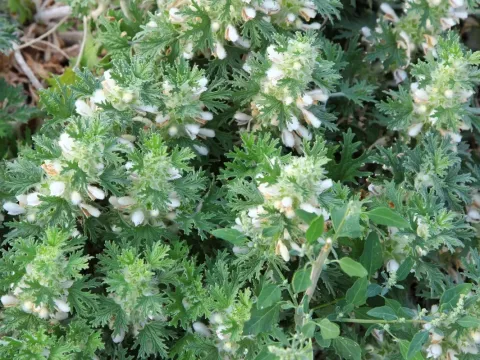
Panzerina
Panzerina
Panzerina is a genus of perennial herbaceous plants belonging to the Lamiaceae family. These plants are characterized by their adaptation to rugged, high-altitude environments, primarily found in the mountainous regions of Central Asia.
What the section contains


Panzerina
Botanically, these plants are hardy, possessing robust root systems that allow them to survive in rocky and stony soils. They typically grow on screes and mountain slopes, where drainage is optimal and the soil is light and well-aerated.
The climate requirements for Panzerina involve tolerance to extreme temperature fluctuations between day and night. They thrive in regions with low atmospheric humidity and high levels of direct solar radiation, making them specialized mountain flora.
Soil management for this genus is minimal but critical in terms of structure. The soil must be poor in organic matter but extremely well-draining, as the plant cannot tolerate waterlogging, which often induces physiological stress.
In the context of its use, Panzerina is valued for its specific secondary metabolites. Cultivation efforts focus on replicating the alpine conditions of its origin, providing sufficient light and avoiding any nutrient-heavy fertilization that could hinder its natural growth habits.
The primary threats to Panzerina populations are habitat destruction and overgrazing in their native mountain ranges, which lead to significant soil erosion and loss of plant biodiversity.
Fungal diseases pose a threat to the plant, particularly in experimental garden settings where moisture levels exceed the plant's natural evolutionary threshold, leading to stem and root rot.
Insect pests, such as aphids and specialized coleopterans, can cause damage to the foliage and reproductive structures, thereby reducing the plant's overall vigor and seed production success.
The susceptibility to root-knot nematodes is an occasional issue when the plant is introduced to soils previously used for other susceptible crops without proper soil treatment.
Integrated management to mitigate these threats involves careful site selection to ensure low moisture retention and the implementation of cultural practices that promote plant resilience against pests.