
Orthosiphon
Orthosiphon hybrids
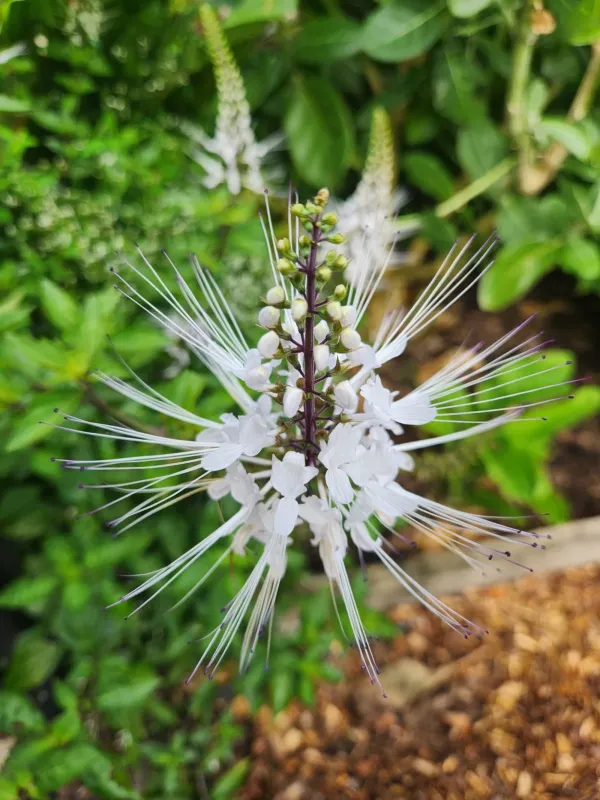
Description
Sowing dates
Propagation is typically done through seeds or stem cuttings. Seedlings are grown in controlled nursery environments before being transplanted to the field or greenhouse, ensuring each plant has enough space to maximize its canopy spread.
Growing requirements
Orthosiphon hybrids are perennial herbaceous plants belonging to the Lamiaceae family. Native to the tropical regions of Southeast Asia, these plants require specific environmental conditions that mimic their natural habitat to reach full maturity.
The crop is strictly thermophilic and thrives in temperatures between 20 and 30 degrees Celsius. Exposure to temperatures below 15 degrees Celsius severely stunts growth, making the plant suitable only for greenhouse production or tropical outdoor cultivation.
Soil requirements involve high levels of organic matter and exceptional drainage capacity. The plant is prone to root rot, so growing it in heavy, water-logged soils must be avoided to ensure the health of the root system.
Care routines include regular irrigation and balanced fertilization programs. Maintenance of high air humidity is also beneficial, as it encourages the rapid development of the leafy stems that contain the valuable medicinal compounds.
The plant is widely recognized for its pharmacological utility, often referred to as Java tea or kidney tea. Its leaves and stem tips are harvested and processed into extracts known for their diuretic and anti-inflammatory properties.
Main diseases and pests
The most significant threats include fungal diseases such as root rot caused by stagnant moisture. Insect pests like aphids and spider mites are common in greenhouses and require diligent monitoring and integrated pest management strategies.
Harvesting
Harvesting involves the selective clipping of apical shoots. This method is repeated several times throughout the growing season to ensure continuous yield and to encourage the plant to produce a denser bush structure.