
Mountain Mint
Pycnanthemum hybrids
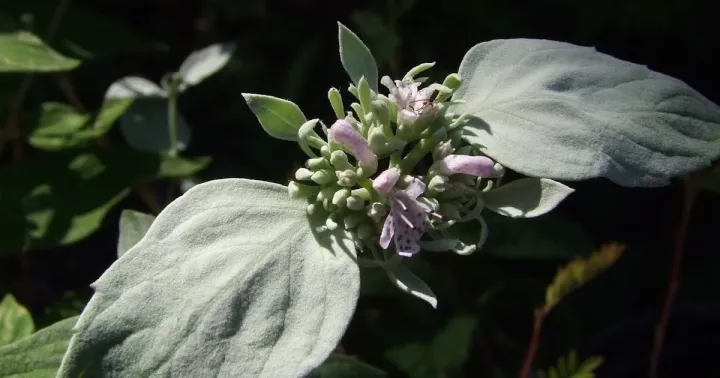
Description
Sowing dates
Mountain Mint (Pycnanthemum) is a valuable perennial herb belonging to the Lamiaceae family, known for its intense aroma and high essential oil content.
Propagation is primarily achieved via seeds, which should be sown indoors in trays during early spring to ensure a stable start for the developing seedlings.
Transplanting into the field is recommended once the danger of frost has passed, ensuring proper spacing of at least 30 to 45 cm between individual plants for air circulation.
Vegetative propagation through division of established root clumps is also a highly effective method, especially for commercial growers aiming to maintain specific plant traits.
Soil preparation before sowing should include the addition of organic matter to provide a nutrient-rich foundation for early root development and plant establishment.
Growing requirements
Mountain Mint thrives in full sun, although it can tolerate partial shade; however, optimal essential oil production is achieved in areas with maximum light exposure.
The ideal soil conditions for this culture include well-drained loamy or sandy soils, as the plant is highly sensitive to waterlogged conditions that can trigger rot.
Although mature plants demonstrate excellent drought tolerance, supplemental irrigation is necessary during the establishment phase and the peak of the summer heat.
The plant requires a balanced nutrient supply; excessive nitrogen fertilization should be avoided as it promotes rapid foliage growth at the expense of oil quality.
Site selection should prioritize areas with good air movement to minimize humidity levels around the foliage, which is essential for disease prevention.
Main diseases and pests
Common pests affecting Mountain Mint include aphids and spider mites, which can cause significant damage if infestations remain uncontrolled during the growing season.
Fungal diseases such as powdery mildew can become a significant issue in areas with high humidity or poor ventilation between rows of plants.
Integrated Pest Management (IPM) strategies, including the introduction of beneficial insects like ladybugs, are highly recommended to keep pest populations at manageable levels.
Regular monitoring and physical removal of infected plant parts are crucial steps in limiting the spread of diseases and pests within the field.
Chemical control should be viewed as a last resort, always adhering to organic farming standards to preserve the medicinal value and safety of the final herbal product.
Harvesting
The best time to harvest Mountain Mint is during the full bloom stage, as this represents the peak concentration of essential oils throughout the entire plant.
Harvesting involves cutting the stems approximately 10 to 15 centimeters above the ground, allowing the plant to retain enough energy for regrowth and potential subsequent harvests.
Post-harvest handling is critical: the harvested material must be dried quickly in a shaded, well-ventilated space to preserve the integrity of the active aromatic compounds.
Proper drying temperatures (below 40°C) are essential to prevent the volatilization of delicate essential oils during the moisture removal process.
Once dried, the product should be stored in airtight containers away from direct light to maintain its quality and potency for the duration of its shelf life.