
Monardella macrantha
Monardella macrantha
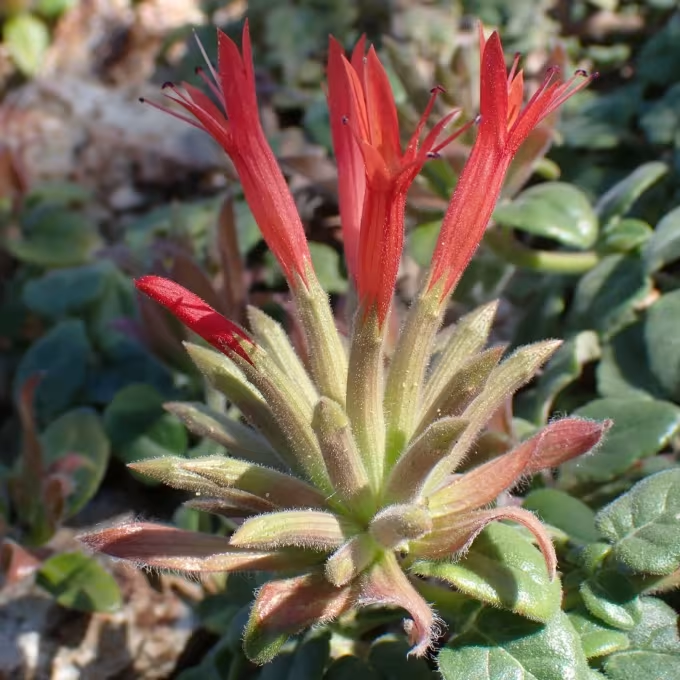
Description
Sowing dates
Sowing Monardella macrantha seeds typically occurs in late winter or early spring using a tray system indoors. The seeds require a cold stratification period of about 4 to 6 weeks to break dormancy and ensure uniform germination.
Once the risk of frost has passed, seedlings can be transplanted into the outdoor garden. A sunny location with well-draining soil is essential for the young plants to establish their root systems effectively during the first season.
Direct sowing in the garden is possible in mild climates where the soil warms up early. Seeds should be surface-sown or covered with only a very thin layer of substrate, as they need exposure to light for optimal germination.
Maintain consistent moisture during the germination process, but avoid waterlogging the soil. Using a fine misting system can help keep the substrate damp without disturbing the delicate seeds.
Proper spacing is crucial for healthy development. Allow at least 12 to 15 inches between plants to ensure sufficient airflow, which helps prevent dampness-related diseases and promotes strong branching.
Growing requirements
Monardella macrantha is a perennial member of the Lamiaceae family, native to the mountain ranges of Southern California. It thrives in open, sunny environments where it receives full sunlight throughout most of the day.
This species is highly adapted to rocky, well-draining soil types. It performs best in substrates that mimic its natural habitat, such as sandy or gritty soil, and it struggles significantly in heavy clay that retains moisture.
Water requirements are moderate, focusing on the establishment phase. While mature plants exhibit impressive drought tolerance, occasional deep watering during extreme heatwaves will keep the plant vibrant and extend its flowering period.
The plant is hardy in specific climate zones but requires protection in regions with harsh winters. Container gardening is an excellent alternative in colder climates, allowing the plant to be moved to a frost-free environment during the winter.
Fertilization should be kept to a minimum. A light application of a balanced, slow-release fertilizer in early spring is usually sufficient to support growth without causing excessive, weak foliage that can attract pests.
Main diseases and pests
Root rot is the most serious threat to Monardella macrantha, primarily triggered by poor soil drainage or over-watering. Prevention is key, which involves ensuring the soil composition allows for rapid drainage.
Powdery mildew may occur if plants are crowded or located in areas with stagnant air. To mitigate this, ensure adequate spacing between plants and avoid overhead watering that keeps the foliage consistently wet.
Aphids and spider mites are common pests that tend to infest the plant during hot, dry spells. Regular inspection of the undersides of the leaves can help identify infestations early before they cause significant damage.
Slugs and snails can be problematic for young seedlings. Applying a barrier of crushed gravel or diatomaceous earth around the base of the plant can effectively deter these pests without the need for toxic chemicals.
If chemical intervention becomes necessary due to severe infestation, use insecticidal soaps or neem oil, ensuring application occurs in the early evening to protect beneficial pollinators that frequently visit these flowers.
Harvesting
The harvest of Monardella macrantha flowers for aromatic use should coincide with the peak flowering period. This is when the essential oil content is highest, providing the best fragrance and color retention after drying.
Use clean, sharp shears to harvest the flower stalks, cutting just above the foliage to encourage the plant to put energy back into its roots. Always perform harvesting during the mid-morning hours after the dew has evaporated.
For drying, hang the harvested stems in bunches in a dark, well-ventilated space. Air circulation is vital to prevent molding, and darkness helps preserve the vivid red hues of the blossoms.
The plant is highly valued for its nectar, making it a favorite for hummingbirds. When harvesting, consider leaving a portion of the flowers to support local pollinators, which is essential for maintaining a healthy garden ecosystem.
Seeds can be collected once the flower heads turn dry and brittle. Gently shake the heads into a paper bag to harvest the seeds, and store them in a cool, dry place to ensure high viability for the next planting season.