
Monardella odoratissima
Monardella odoratissima
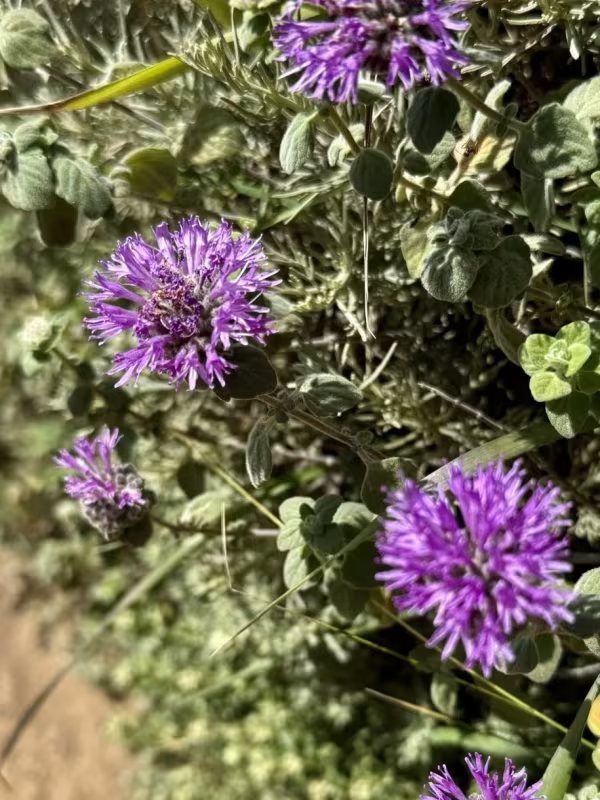
Description
Sowing dates
Monardella odoratissima seeds require a period of cold stratification to break dormancy. Place the seeds in a moist substrate in a refrigerator for at least three to four weeks before sowing them in early spring.
Sow the seeds on the surface of well-draining soil, as they require light to germinate effectively. Do not cover them deeply; a light dusting of fine sand or vermiculite is sufficient to keep them in place while allowing light penetration.
Maintain a consistent soil temperature between 18 and 22 degrees Celsius. Germination is typically slow and can take up to a month, so patience is required during the initial establishment phase.
Thin the seedlings once they reach a height of 5 centimeters to provide adequate space. This spacing prevents overcrowding and reduces the risk of fungal diseases, which are common in damp, crowded environments.
Transplant the seedlings to their permanent garden location after the risk of frost has passed. Ensure that the soil is well-prepared and free of aggressive weeds that might compete for nutrients.
Growing requirements
As a member of the Lamiaceae family, Monardella odoratissima is native to arid, rocky slopes in western North America. It is perfectly adapted to climates with dry summers and cool winters.
This species demands full sun exposure to thrive and develop its characteristic minty fragrance. In shady conditions, the plants become spindly and their oil production is significantly reduced.
Soil requirements are strict: the medium must be highly porous and well-drained. Sandy, rocky, or gravelly soils are ideal, as they prevent water stagnation around the roots, which is the leading cause of plant mortality.
Watering should be managed carefully. While young plants need regular moisture to establish their root systems, mature plants are remarkably drought-tolerant and prefer drier soil conditions.
Fertilization should be kept to a minimum. Monardella thrives in nutrient-poor soils; an excess of nitrogen will cause rapid, weak growth and degrade the quality and potency of the aromatic oils.
Main diseases and pests
The most significant threat to this crop is root rot caused by poor drainage. High humidity or waterlogged soils quickly lead to fungal infections that can destroy entire plantings within a short period.
Pests are generally not a major concern due to the plant's strong natural aromatic oils. However, in stressful conditions, such as extreme heat and lack of air circulation, spider mites can become an issue.
Aphids may occasionally appear on tender young shoots in the spring. If infestations are heavy, insecticidal soap can be used, though regular monitoring is usually sufficient to manage the situation.
Powdery mildew can occur if air circulation is poor or if there is excessive overhead watering during humid weather. Pruning to improve airflow and selecting an airy site are key preventive strategies.
To ensure long-term health, monitor for any signs of yellowing or wilting. These symptoms usually indicate soil compaction or the early stages of a root-related issue that requires immediate correction.
Harvesting
Harvesting should be conducted at the peak of bloom when the flowers and leaves are rich in volatile essential oils. Use sharp shears to cut the top third of the stems to encourage bushier growth.
Dry the harvested material in a shaded, well-ventilated area. Rapid drying out of direct sunlight is essential to preserve the plant’s chemical composition and delicate fragrance profile.
Store the dried herb in airtight glass containers kept away from direct heat and light. Proper storage ensures that the potent, minty, and slightly spicy aroma remains preserved for culinary or medicinal use.
The plant is highly valued for its use in herbal teas, where it is used as a mild expectorant and tonic. It also serves as an excellent culinary herb for adding a unique profile to various dishes.
Industrial or garden-scale harvesting must be handled gently to avoid crushing the oil glands. Following the harvest, a light trim and clear-up will prepare the plant for the next season's growth cycle.