
Douglas monardella
Monardella douglasii
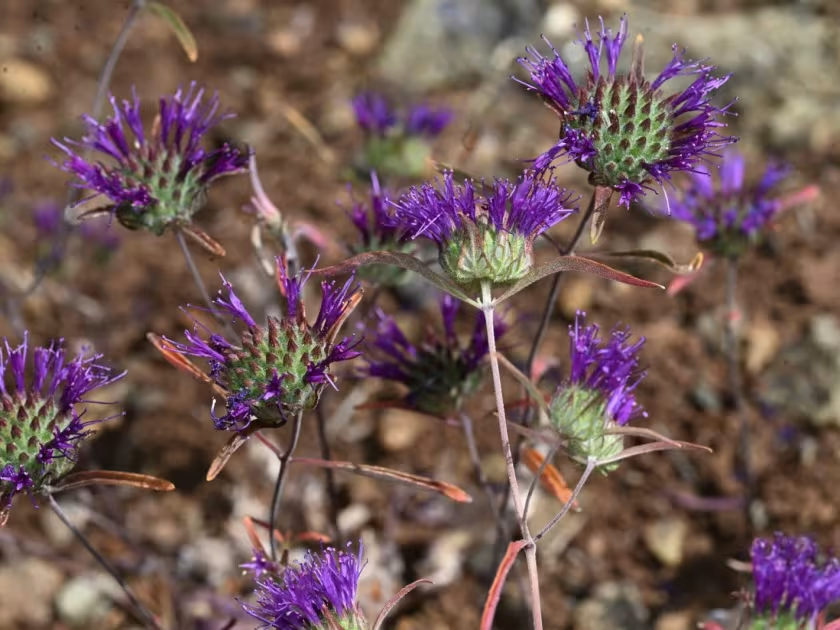
Description
Sowing dates
Sowing Douglas monardella seeds should be initiated in a greenhouse during late winter to ensure well-developed seedlings by the arrival of spring. The seeds require a period of cold stratification to break dormancy and achieve uniform germination rates.
Transplanting into the open field is recommended once all risks of frost have passed and soil temperatures have sufficiently increased. Late May is typically the optimal window for establishing the plants in their permanent growing area, allowing them to acclimate before the heat of summer.
Plant spacing should be approximately 30 to 40 centimeters apart to prevent overcrowding and ensure adequate airflow around the foliage. Proper spacing is a key preventative measure against the development of powdery mildew and other common moisture-related issues.
When direct seeding, it is essential not to cover the seeds with too much soil, as light exposure is often beneficial for the initial germination process. Lightly firming the soil surface after sowing helps ensure proper contact and maintains necessary moisture levels during the critical stage of sprouting.
Selecting the right location is vital for successful cultivation; an area with full sun exposure is mandatory. The site should also have excellent drainage properties, as any water accumulation around the crown will significantly damage the plant's root system.
Growing requirements
Douglas monardella (Monardella douglasii), a member of the Lamiaceae family, is a perennial herb native to Western North America. It is naturally adapted to rocky, well-draining soils and is considered a resilient species in environments where nutrient availability is relatively low.
The plant thrives in full sun, which is essential for maximizing the production of essential oils. Adequate light levels also ensure that the stems remain compact rather than stretching, which maintains the overall structural integrity of the plant throughout the growing season.
Soil requirements focus on neutrality or slight alkalinity and a light texture. Heavy clay soils are unsuitable, as they restrict root growth and create an anaerobic environment that fosters various types of root rot. Incorporating grit or sand into the substrate is often recommended for pot or field cultivation.
Water requirements for this culture are moderate; it demonstrates excellent tolerance to dry spells once established. However, consistent moisture during the initial growth phases will lead to higher biomass yield and more robust plant development before the harvest season.
Weed control is a crucial component of maintenance during the first few months of the plant's life. As Douglas monardella is not a highly aggressive grower initially, keeping the surrounding soil free from competing vegetation is essential for providing enough nutrients and moisture to the developing herb.
Harvesting
Harvesting the aerial parts of the plant should occur during the peak of the flowering period. This timing ensures the highest concentration of volatile oils, which are responsible for the plant's signature scent and medicinal properties.
Precise cutting is performed using shears, ensuring that at least one-third of the plant remains intact to facilitate regrowth. Proper harvesting technique prevents the exhaustion of the plant and supports the potential for a secondary harvest if climatic conditions remain favorable.
Drying must be conducted in a dark, well-ventilated area to preserve the integrity of the essential oils. Exposure to high heat or direct sunlight during the drying process will lead to the loss of aromatic compounds, significantly reducing the commercial quality of the dried herb.
Once dried, the leaves and flowers are stripped from the woody stems and stored in airtight, opaque containers. This ensures the protection of the product from light and moisture, allowing the herb to retain its full potential for culinary and medicinal uses for an extended period.
Economic applications of Douglas monardella are primarily found in the herbal tea industry and the production of aromatic essential oils. Furthermore, its drought-resistant nature and pleasant fragrance make it an excellent choice for sustainable landscaping and ornamental herb gardens.