
Monarda russeliana
Monarda russeliana
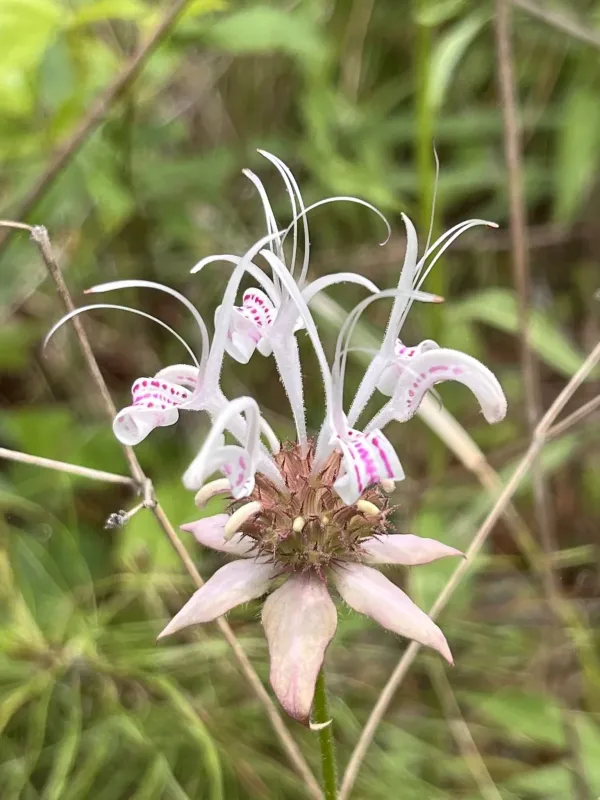
Description
Sowing dates
Sowing Monarda russeliana seeds is best performed in early spring, once the soil temperature consistently reaches 12-15 degrees Celsius. Because the seeds benefit from cold stratification, sowing them in late autumn or using pre-chilled seeds can significantly improve germination rates and uniformity.
Seeds should be sown at a shallow depth of no more than 1 centimeter, as they require sufficient light to trigger the germination process. After sowing, the substrate should be kept consistently moist to ensure the young seedlings become established without stress from dry soil conditions.
Vegetative propagation by division is a highly effective alternative for commercial growers. Dividing mature root clumps during the dormant season allows for faster establishment and consistent plant quality, enabling growers to skip the slower seedling growth phase and ensure rapid field colonization.
Planting density is a critical factor, with a recommended spacing of 40-50 centimeters between plants. This distance provides adequate airflow and space for root expansion, which is essential for maintaining plant vigor and reducing the risk of fungal outbreaks in dense plantings.
Post-sowing care involves diligent weed management, particularly during the first months when the plant is establishing its root structure. Providing sufficient water during dry spells and incorporating slow-release fertilizers can greatly enhance the overall productivity and health of the crop.
Growing requirements
Monarda russeliana, commonly known as Russel's beebalm, is a perennial herbaceous plant belonging to the Lamiaceae family. This species is highly valued for its aromatic properties and its role as a significant nectar source for pollinators, making it an excellent addition to agricultural landscapes.
Native to the southeastern United States, this plant typically thrives in woodland openings and prairie habitats. It has adapted to various climate zones within its range, exhibiting resilience to fluctuating temperatures and seasonal changes, which simplifies its management in diverse settings.
The crop requires fertile, well-drained soil with moderate moisture retention for optimal biomass production. Sandy loams or loamy soils enriched with organic matter provide the best conditions for root system development and the accumulation of essential oils within the foliage.
Botanically, the plant features square stems and opposite leaves that are rich in phytochemicals. Its characteristic head-like inflorescences are not only visually appealing but also serve as a vital resource for honeybees and other beneficial insects, enhancing local biodiversity in cultivation areas.
Monarda russeliana is utilized in the essential oil industry, traditional medicine, and ornamental horticulture. Its versatility allows it to be integrated into diverse production systems, ranging from small-scale medicinal herb gardens to larger commercial plots dedicated to floral or botanical harvesting.
Main diseases and pests
Powdery mildew is the primary disease threat for Monarda russeliana, especially in humid environments with poor air circulation. The characteristic white fungal growth on leaves can severely impact plant health and reduce the quality of harvested essential oils if left unmanaged.
Root rot caused by stagnant water or compacted soil is another significant concern. Ensuring proper field drainage and avoiding over-irrigation are vital steps for preserving the root system and preventing the onset of soil-borne pathogens that can devastate the entire planting.
Insect pests such as aphids and spider mites frequently target the tender shoots and leaf undersides. These pests can weaken the plant by extracting sap and may lead to secondary viral infections, necessitating regular field scouting and the use of integrated pest management strategies.
Preventive measures include maintaining proper plant spacing to facilitate air movement and promptly removing any infected plant debris during the season. These simple hygiene practices reduce the inoculum load and promote a healthier growing environment for the perennial crop.
For sustainable control, growers are encouraged to use biological interventions and companion planting to attract natural predators. This holistic approach helps maintain the ecological balance within the field, minimizing the need for synthetic inputs while ensuring high-quality botanical production.