
Creeping sage
Salvia procurrens
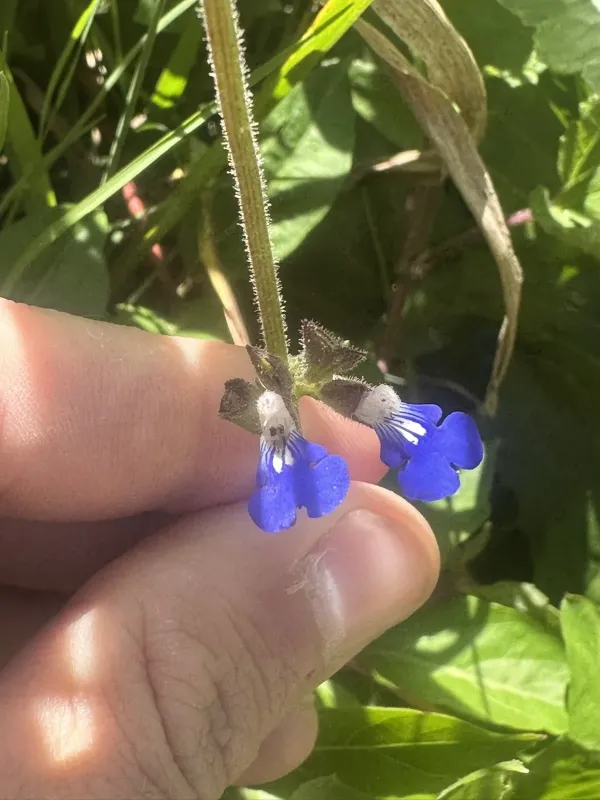
Description
Sowing dates
Creeping sage (Salvia procurrens) is a perennial herbaceous plant belonging to the Lamiaceae family. It is widely recognized for its aggressive vegetative propagation via creeping stems.
Direct sowing in the field is performed in the spring once the soil temperature is sufficient for germination. Consistent soil moisture is crucial during the initial seedling establishment phase.
For containerized propagation, seeds are typically sown in early spring in a greenhouse environment. This ensures healthy plantlets are ready for transplanting once ambient temperatures stabilize.
The stems of this species naturally root at the nodes when in contact with moist soil. This enables the plant to form a dense groundcover mat over a relatively short period.
When selecting a planting site, consider the plant's spread. It requires sufficient space to fulfill its potential as an effective ground-covering agricultural crop.
Growing requirements
The crop thrives in fertile, well-draining soils with a pH level ranging from neutral to slightly acidic. Good aeration is essential to prevent soil compaction and root suffocation.
Salvia procurrens is adaptable to various climates but prefers temperate conditions with moderate light. Full sun exposure promotes more compact and dense growth patterns.
Watering management is vital during the first growing season. Once established, the plants demonstrate moderate drought tolerance but perform best with supplemental irrigation.
Standard agrotechnical care includes the use of organic soil amendments to enrich nutrient content. Foliar feeding can also be implemented to boost overall plant vigor.
Winter care is minimal in mild climates. However, in regions prone to heavy frost, applying a protective layer of mulch is recommended to shield the crown of the plant.
Main diseases and pests
The most significant pathological threats include powdery mildew and root rot. These are primarily caused by excessive humidity levels or poor site drainage management.
Pests such as aphids and spider mites can attack the tender parts of the foliage. Infestations are more likely in stress-prone conditions or in overly dense crop patches.
Integrated pest management strategies are recommended to maintain plant health. Regular scouting and early intervention remain the most effective tools for disease control.
Maintaining adequate spacing between plants is a fundamental practice to ensure air circulation and reduce the risk of humidity-related pathogens settling in the canopy.
Sanitation practices, such as removing dead biomass after the growing season, reduce the risk of overwintering pathogens that might affect the next crop cycle.